get off — 4 meanings

One phrase, 4 meanings. Learn them one at a time, then test yourself.

phrasal verb4 meanings

Meaning 1 · most common

leave a bus, train, plane, etc.
  • get off sth
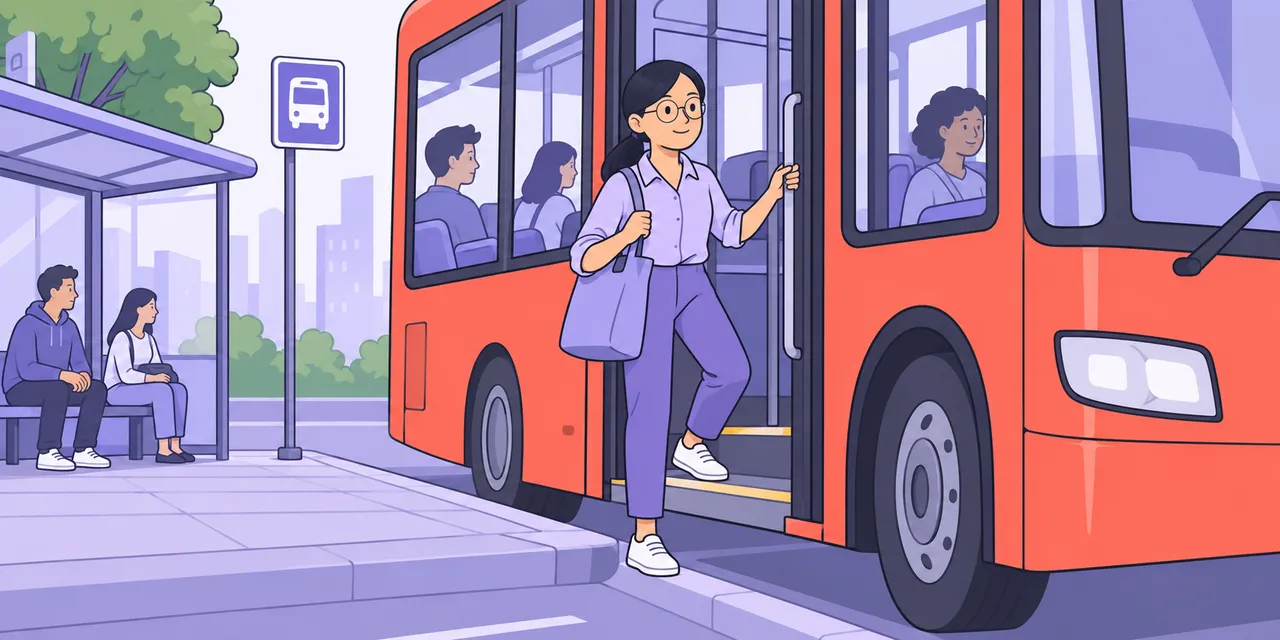
A scene showing “get off” meaning “leave a bus or train”.

To leave or step out of a bus, train, plane, or other form of public transport.

How oftenVery common
LevelB1
Used inSpeech & writing

Examples

I usually get off the bus at the next stop.

A: Is this where we get off?
B: No, our stop is after the bridge.

Common mistake

Not: I got off from the train at noon.

Say: I got off the train at noon.

'Get off' takes the vehicle directly — no 'from'.

More on “leave a bus, train, plane, etc.”Another example · Tell it apart · Goes with · Tip

Another example

When I travel to university, I get off the train at Central Station and walk the rest of the way.

Tell it apart

Get off the bus at the church.

  • leave the bus

Get on the bus at the church.

  • board the bus

Goes with

  • get off + transport
Practice saying this
Next meaning: finish work or leave work for the day

Meaning 2

finish work or leave work for the day

  • get off sth
  • informal
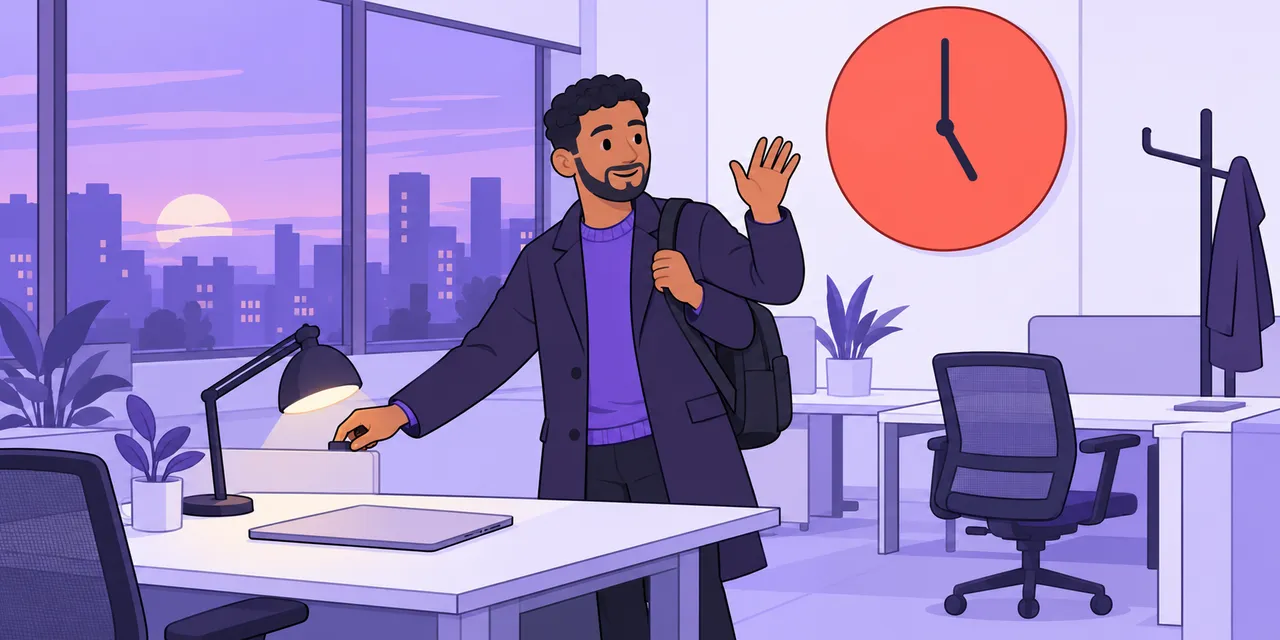
A scene showing “get off” meaning “finish work”.

To finish your work or leave your workplace at the end of the working day.

How oftenCommon
LevelB1
Used inMostly spoken

Examples

I usually get off at six o'clock.

A: What time do you get off today?
B: I get off early, around four.

Common mistake

Not: I get off from work at five.

Say: I get off work at five. / I finish work at five.

It's 'get off work', not 'get off from work'.

More on “finish work or leave work for the day”Another example · Tell it apart · Goes with · Tip

Another example

I often feel tired when I get off work, so I like to relax with my family in the evening.

Tell it apart

I get off work at six.

  • finish for the day

I get off the train at six.

  • leave the train

Goes with

  • get off (work)
Practice saying this
Next meaning: avoid punishment or escape a difficult situation

Meaning 3

avoid punishment or escape a difficult situation

  • get off with [punishment)
  • informal
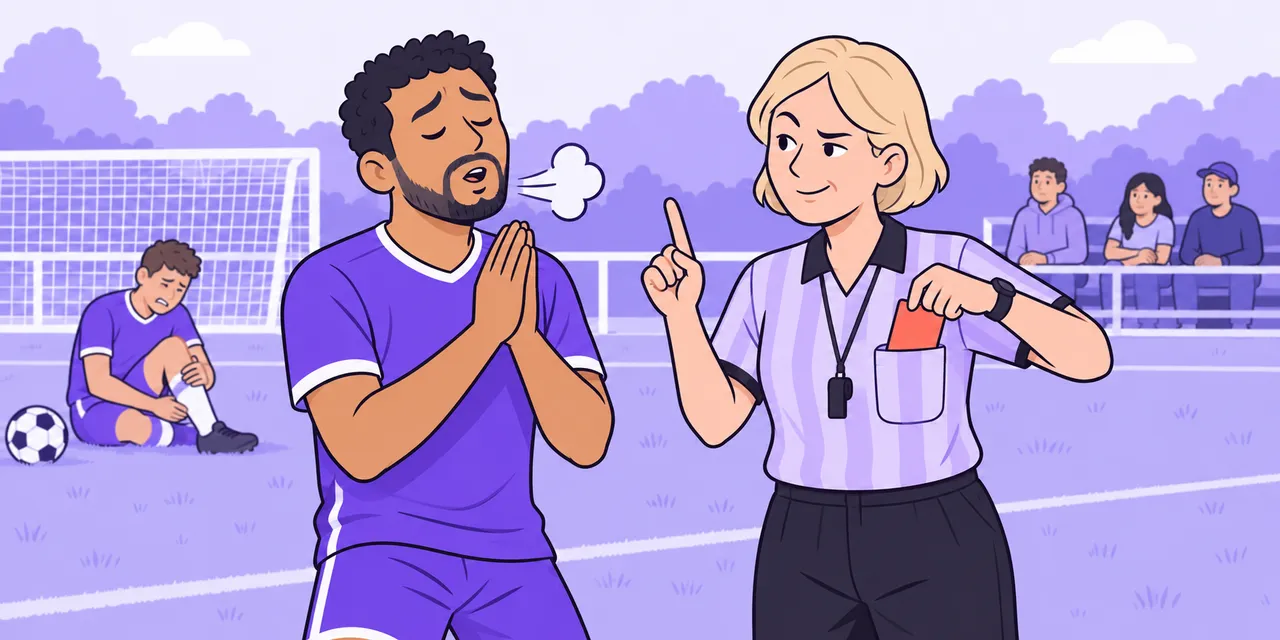
A scene showing “get off” meaning “escape punishment”.

To avoid being punished or to escape from a difficult situation without serious consequences.

How oftenNow and then
LevelB2
Used inMostly spoken

Examples

He got off with just a warning after breaking the rule.

A: Did she really get off without a fine?
B: Yeah, the police just let her go.

Common mistake

Not: He got off from the charges.

Say: He got off the charges. / got off lightly.

'Get off' takes the charge directly, or 'get off + lightly/with X'.

More on “avoid punishment or escape a difficult situation”Another example · Tell it apart · Goes with · Tip

Another example

Some people think celebrities get off more easily when they break the law because they are famous.

Tell it apart

He got off with a fine.

  • escaped worse punishment

He got off the bus at the corner.

  • left the bus

Goes with

  • get off (lightly/with)
Practice saying this
Next meaning: derive pleasure

Meaning 4

derive pleasure

  • get off on sth
  • informal
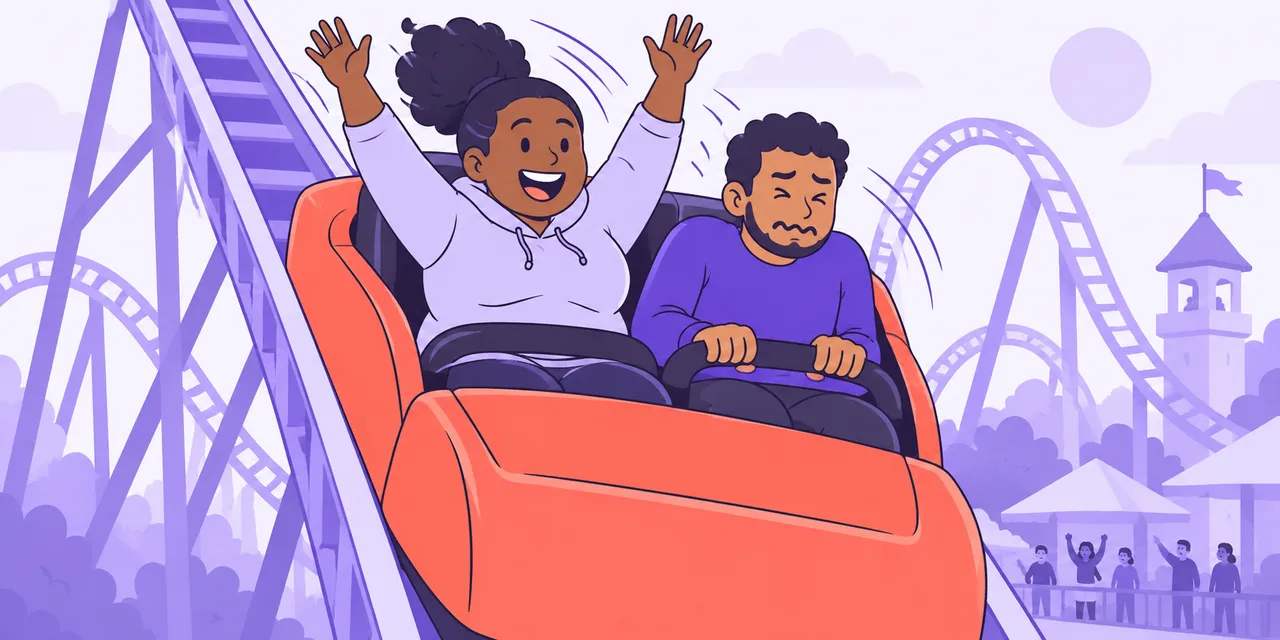
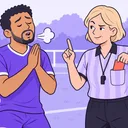
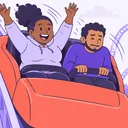
A scene showing “get off” meaning “get a thrill from”.

To experience strong enjoyment, excitement, or satisfaction from something, often used informally and sometimes with a mildly sexual or taboo connotation.

How oftenRare
LevelC2
Used inMostly spoken

Examples

Some people really get off on taking risks, even when there's a lot at stake.

A: Why does he keep arguing with everyone online?
B: Honestly, I think he just gets off on provoking people.

Common mistake

Not: She gets off with bossing people around.

Say: She gets off on bossing people around.

For getting a thrill from something, it's 'get off ON' — 'get off with' is a different (BrE) sense.

More on “derive pleasure”Another example · Tell it apart · Goes with · Tip

Another example

While some individuals get off on the thrill of extreme sports, others prefer more conventional hobbies for relaxation.

Tell it apart

He gets off on the drama.

  • gets a thrill from it — disapproving

He gets a kick out of the drama.

  • just enjoys it — milder

Goes with

  • get off on + thing
Practice saying this
Test yourself: which one is it?
Spot the meaning

Which one is it?

Read the sentence, then pick the meaning that's in play.

Turn this into speaking practice

Pick a meaning and say it out loud. Save the ones you mix up.