Meaning trap
get off
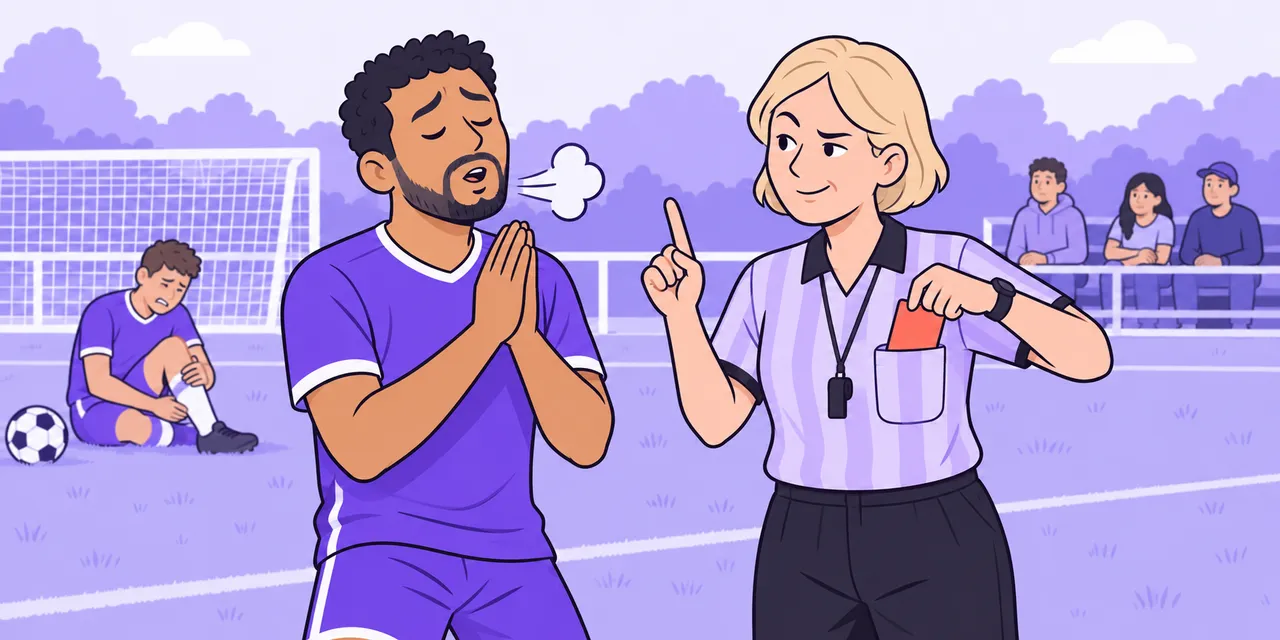
avoid punishment or escape a difficult situation
To avoid being punished or to escape from a difficult situation without serious consequences.
Don't mix these meanings
Same phrase, different job.
To avoid being punished or to escape from a difficult situation without serious consequences.
Another meaning of 'get off' is 'leave a bus, train, plane, etc.'; compare the examples to keep the meanings separate.
Hear it in context
Notice where the phrase sounds natural.
He got off with just a warning after breaking the rule.
Some people think celebrities get off more easily when they break the law because they are famous.
Fix the pattern
One small grammar move makes it sound right.
Not: He got off from the charges.
Say: He got off the charges. / got off lightly.
'Get off' takes the charge directly, or 'get off + lightly/with X'.
Which sounds natural?
Tap the one a native speaker would say.
'Get off' is the natural verb for escaping serious punishment; 'acquitted and received no penalty' is legal language.
Build natural chunks
Words that usually travel with it.
get off (lightly/with)
- lightly
- with a warning
- scot-free
- the charge
Don't confuse it
Related
Other meanings and phrases to compare.
- get off (leave a bus, train, plane, etc.) — Another meaning of 'get off' is 'leave a bus, train, plane, etc.'; compare the examples to keep the meanings separate.