



Part 3 of 4 · Same verb · different particle

“get” phrasal verbs

Same verb, different particle, different meaning. “get” has 23 of them, so they come in 4 parts. Learn these 6 one at a time, then test yourself.

23 phrasal verbslisten & quiz

get + into · 1 of 6

get into

become interested in

  • get into sth
  • informal
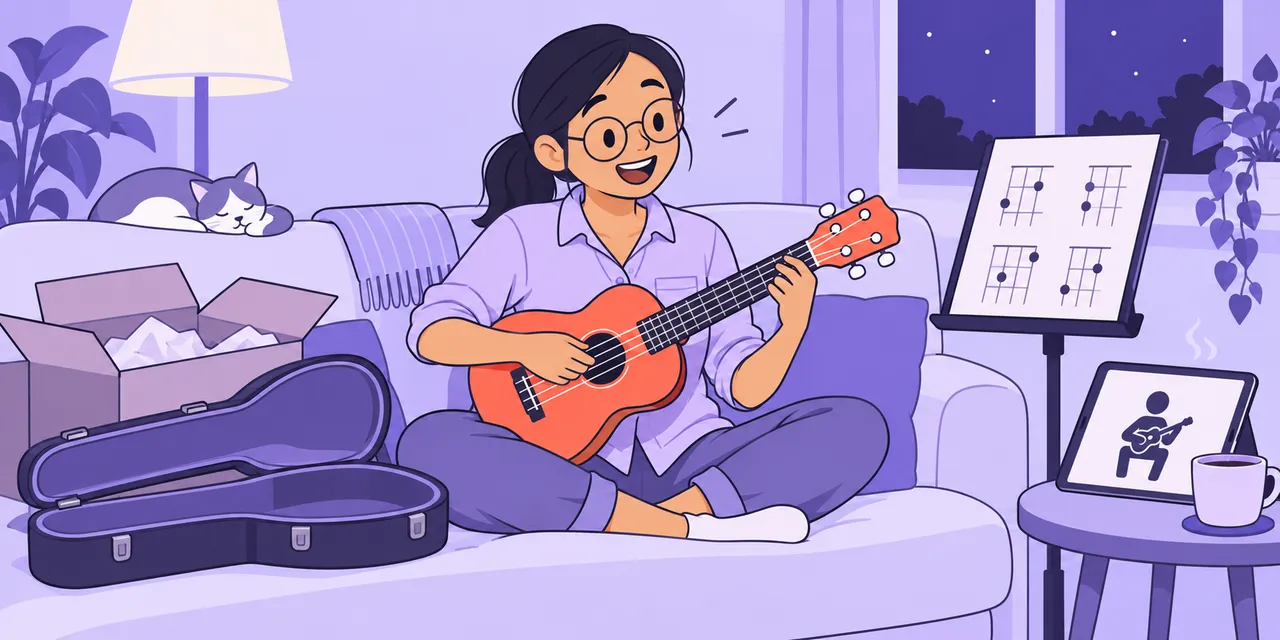
A scene showing “get into” meaning “start to like a hobby”.

To start liking or becoming involved in an activity, subject, or hobby.

How oftenCommon
LevelB1
Used inMostly spoken

Examples

I really got into cooking during the lockdown and now I try new recipes every week.

A: How did you start playing the guitar?
B: I got into it after hearing my friend play at a party.

Common mistake

Not: I got into run last year.

Say: I got into running last year.

'Get into' is followed by the -ing form, not the base verb.

More on “get into”Another example · Tell it apart · Goes with · Tip

Another example

I first got into photography when I was in high school, and it quickly became my favorite hobby.

Tell it apart

I've got into yoga recently.

  • become keen on it

I got into the gym at six.

  • physically entered it

Goes with

  • get into + hobby
Practice saying this
Next: get off

get + off · 2 of 6

get off

leave a bus, train, plane, etc.

  • get off sth
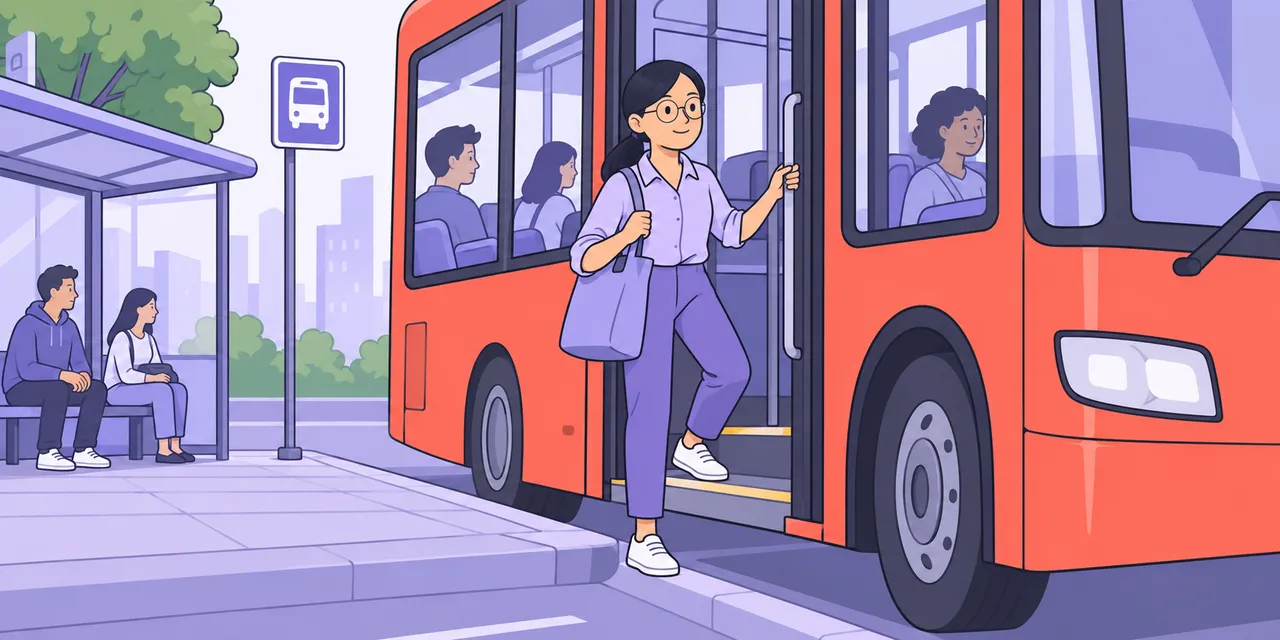
A scene showing “get off” meaning “leave a bus or train”.

To leave or step out of a bus, train, plane, or other form of public transport.

How oftenVery common
LevelB1
Used inSpeech & writing

Examples

I usually get off the bus at the next stop.

A: Is this where we get off?
B: No, our stop is after the bridge.

Common mistake

Not: I got off from the train at noon.

Say: I got off the train at noon.

'Get off' takes the vehicle directly — no 'from'.

More on “get off”Another example · Tell it apart · Goes with · Tip

Another example

When I travel to university, I get off the train at Central Station and walk the rest of the way.

Tell it apart

Get off the bus at the church.

  • leave the bus

Get on the bus at the church.

  • board the bus

Goes with

  • get off + transport
Practice saying this
Next: get on

get + on · 3 of 6

get on

board transport

  • get on sth
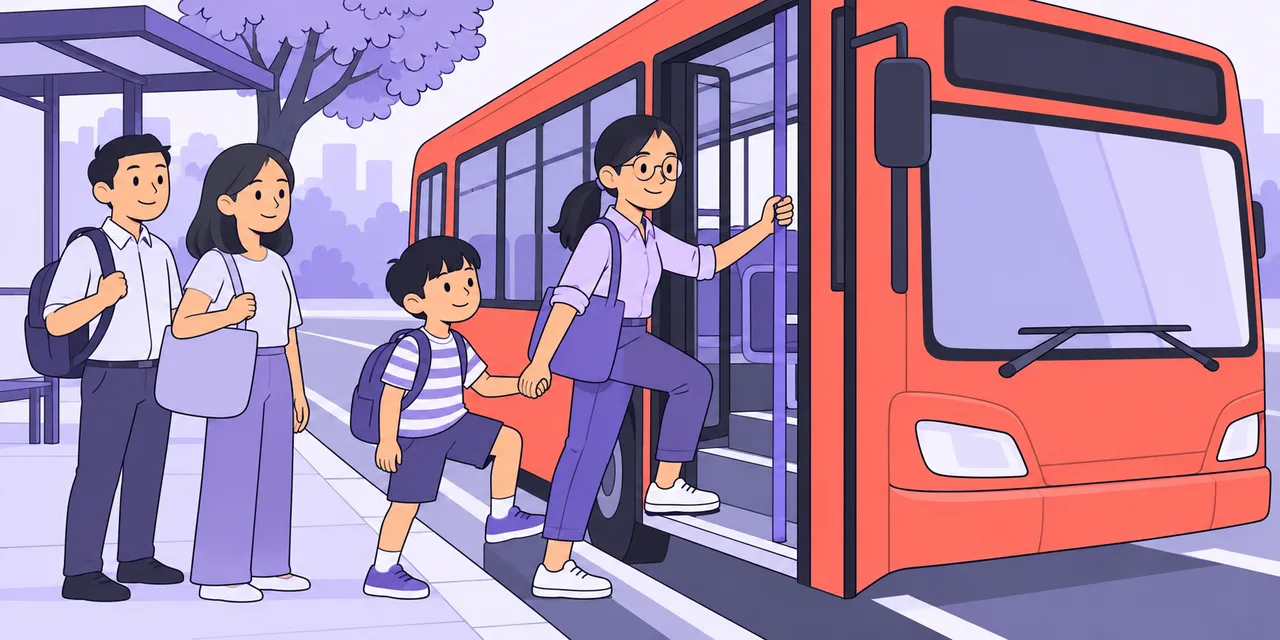
A scene showing “get on” meaning “step onto a bus or train”.

to enter or go onto a form of transport such as a bus, train, plane, or bike.

How oftenVery common
LevelB1
Used inSpeech & writing

Examples

We need to get on the bus before it leaves.

A: Quick, the train's about to go!
B: Let's get on now!

Common mistake

Not: I got in the bus quickly.

Say: I got on the bus quickly.

Use 'get on' for buses, trains and planes; 'get in' is for cars and taxis.

More on “get on”Another example · Tell it apart · Goes with · Tip

Another example

When I travel to work, I usually get on the subway at 8 a.m. because it's less crowded.

Tell it apart

Get on the train here.

  • board it

We get on really well.

  • have a good relationship

Goes with

  • get on + transport
Practice saying this
Next: get on with

get + on with · 4 of 6

get on with

have a good relationship

  • get on with person
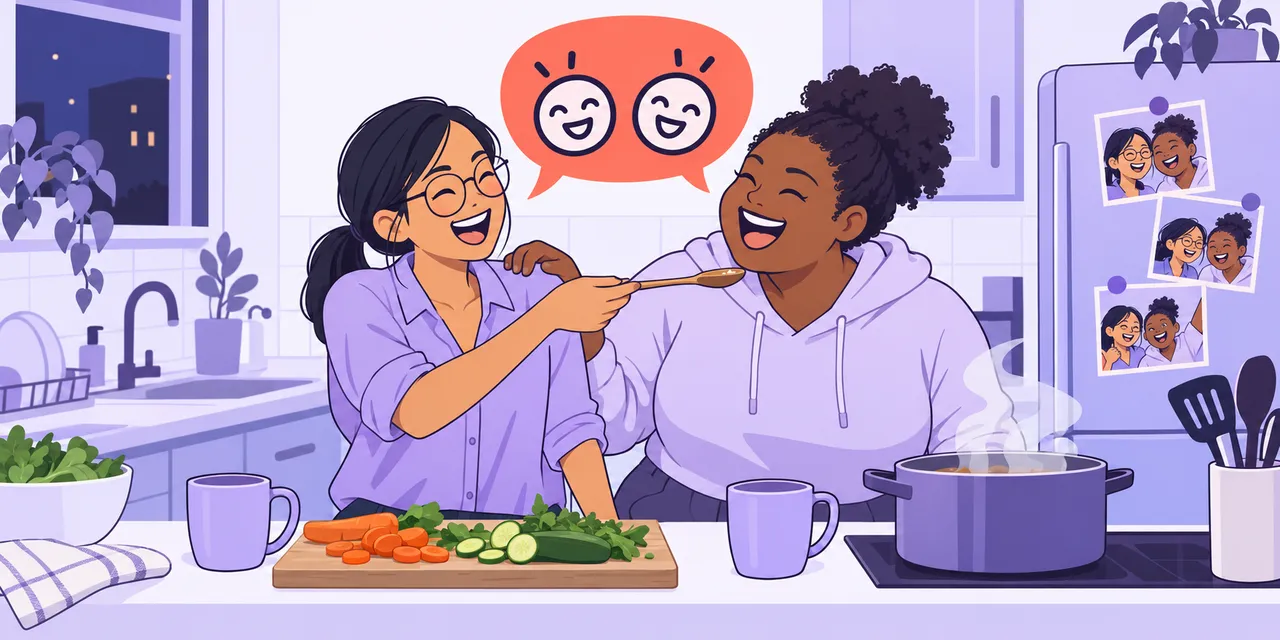
Two friends cook together in a shared kitchen, laughing, one passing the other a spoon to taste.

To have a friendly or comfortable relationship with someone.

How oftenCommon
LevelB1
Used inMostly spoken

Examples

I really get on with my new flatmate; we have a lot in common.

A: Do you get on with your boss?
B: Yeah, she's actually really easy to talk to.

Common mistake

Not: I get on my sister really well.

Say: I get on with my sister really well.

Don't drop 'with'. (American English usually says 'get along with'.)

More on “get on with”Another example · Tell it apart · Goes with · Tip

Another example

In my opinion, it's important to get on with your colleagues because it makes the workplace more enjoyable.

Tell it apart

I get on with my flatmate.

  • good relationship — BrE

Get on with your work!

  • continue / hurry up with a task

Goes with

  • get on with + person
Practice saying this
Next: get out of

get + out of · 5 of 6

get out of

avoid doing something

  • get out of sth
  • informal
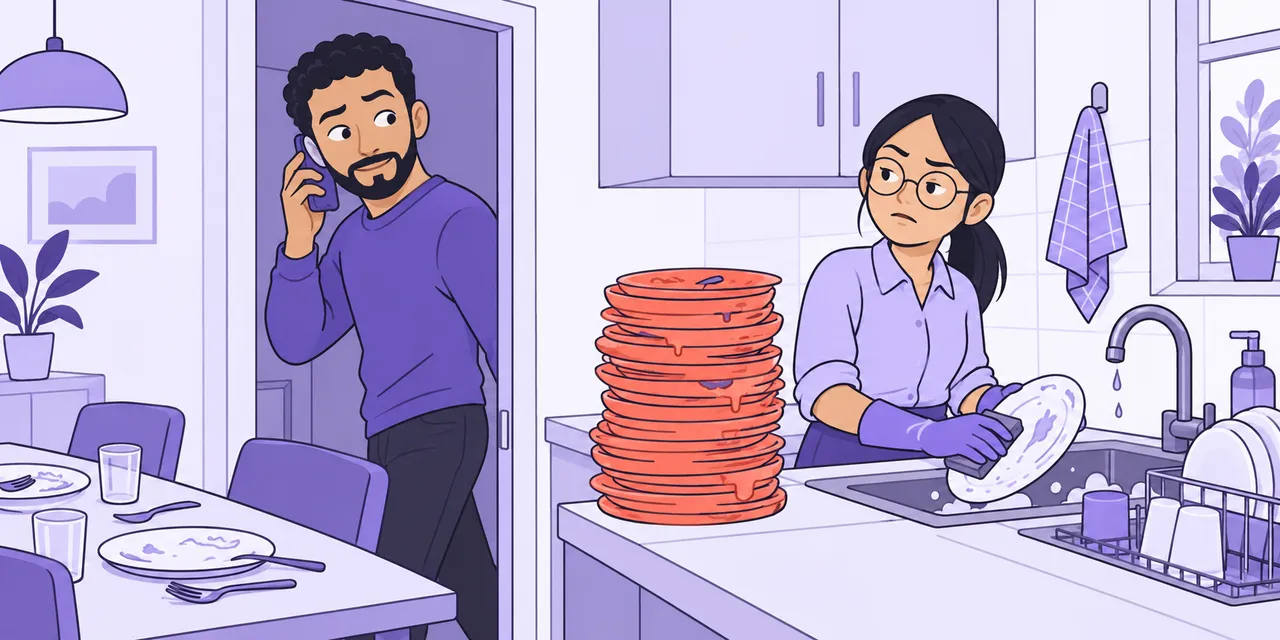
A man slips out of the kitchen pretending to take a phone call while his partner, at the sink, eyes the stack of dirty plates.

to manage not to do something you should do, often by making excuses or finding a way around it.

How oftenCommon
LevelB1
Used inMostly spoken

Examples

He always tries to get out of doing the dishes after dinner.

A: Are you coming to the meeting?
B: I wish, but I can't get out of babysitting my little brother tonight.

Common mistake

Not: She got out of to do the washing up.

Say: She got out of doing the washing up.

'Get out of' takes '-ing' or a noun, not a to-infinitive.

More on “get out of”Another example · Tell it apart · Goes with · Tip

Another example

Some people try to get out of their responsibilities at work, but I believe it's important to do your part.

Tell it apart

He always gets out of doing the dishes.

  • avoids the chore

He got out of the car.

  • left the vehicle

Goes with

  • get out of + duty
Practice saying this
Next: get over

get + over · 6 of 6

get over

recover from

  • get over sth

To start feeling better after something bad, such as an illness, disappointment, or a difficult experience.

How oftenCommon
LevelB1
Used inSpeech & writing

Examples

It took her a few weeks to get over the flu.

A: Are you still upset about the exam?
B: Not really, I think I'm starting to get over it.

Common mistake

Not: It took months to get over from the breakup.

Say: It took months to get over the breakup.

'Get over' takes the thing directly — no 'from'.

More on “get over”Another example · Tell it apart · Goes with · Tip

Another example

After my team lost the final, it was hard, but I managed to get over it by focusing on my studies.

Tell it apart

She's finally getting over the flu.

  • recovering from it

Let's get on with the meeting.

  • continue / proceed

Goes with

  • get over + setback
Practice saying this
Test yourself: which “get” fits?
Fill the gap

Which “get” fits?

Read the sentence, then pick the phrasal verb that belongs in the gap.

All of “get”

23 phrasal verbs in 4 parts.

Turn this into speaking practice

Pick one and say it out loud. Save the ones you mix up.