

take off — 5 meanings

One phrase, 5 meanings. Learn them one at a time, then test yourself.

phrasal verb5 meanings

Meaning 1 · most common

plane leaves the ground
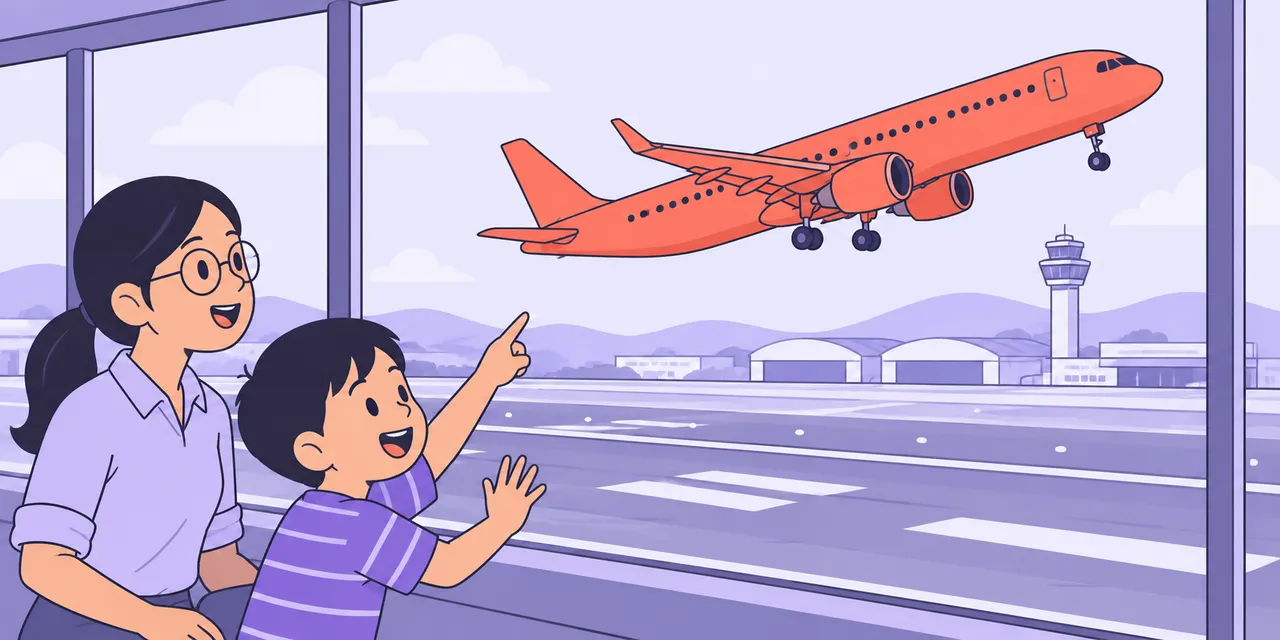
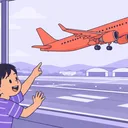
A scene showing “take off” meaning “plane leaves the ground”.

When a plane leaves the ground and starts flying.

How oftenCommon
LevelB1
Used inSpeech & writing

Examples

The plane will take off in a few minutes.

A: What time does your flight take off?
B: At 7:30 in the morning.

Common mistake

Not: The plane took off at Gatwick.

Say: The plane took off from Gatwick.

For the departure point use 'take off FROM a place'; 'at' is only for the time.

More on “plane leaves the ground”Another example · Tell it apart · Goes with · Tip

Another example

During my last holiday, our flight took off late because of bad weather.

Tell it apart

The plane took off on time.

  • left the ground

The brand really took off.

  • became successful

Goes with

  • take off + flight
Practice saying this
Next meaning: become successful

Meaning 2

become successful

  • informal
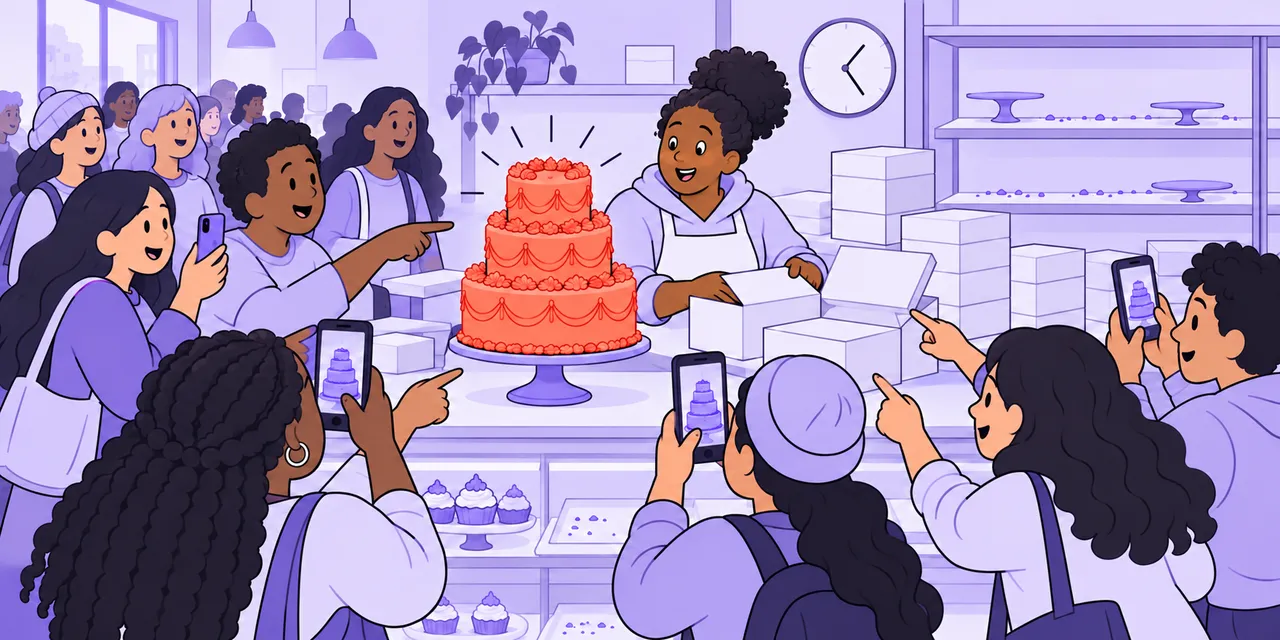
A scene showing “take off” meaning “become successful”.

To suddenly become popular or successful.

How oftenCommon
LevelB2
Used inMostly spoken

Examples

Her online business really took off last year.

A: Have you heard about that new app?
B: Yeah, it took off so fast!

Common mistake

Not: Her channel took off successfully.

Say: Her channel really took off.

'Take off' already means become successful — don't add 'successfully'. Use 'really' for emphasis.

More on “become successful”Another example · Tell it apart · Goes with · Tip

Another example

Social media platforms have taken off in recent years, changing the way people communicate.

Tell it apart

The startup took off after the launch.

  • became successful

The plane took off after a delay.

  • left the ground

Goes with

  • take off + success
Practice saying this
Next meaning: remove clothing

Meaning 3

remove clothing

  • take off sth
A scene showing “take off” meaning “remove clothing”.

To remove a piece of clothing from your body.

How oftenVery common
LevelB1
Used inSpeech & writing

Examples

Please take off your shoes before entering the house.

A: It's really hot in here.
B: You can take off your jacket if you want.

Common mistake

Not: Take off your shoes off at the door.

Say: Take your shoes off at the door. / Take off your shoes at the door.

'Take off' is separable — say it once: 'take your shoes off' OR 'take off your shoes'.

More on “remove clothing”Another example · Tell it apart · Goes with · Tip

Another example

In my culture, we always take off our shoes when we visit someone's home.

Tell it apart

Take your coat off — it's warm in here.

  • remove clothing

The plane took off on time.

  • left the ground

Goes with

  • take off + clothing
Practice saying this
Next meaning: take time away from work

Meaning 4

take time away from work

  • take sth off
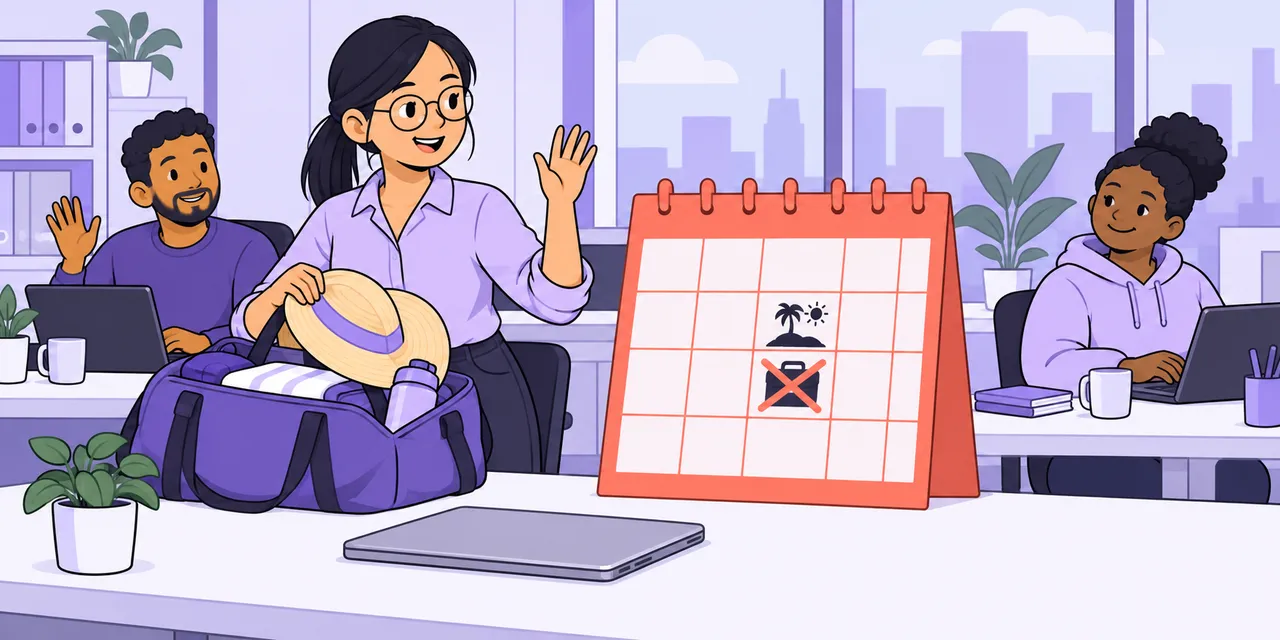
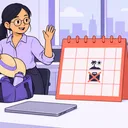
A scene showing “take off” meaning “take time away from work”.

To spend time away from work or school, usually for rest or personal reasons.

How oftenCommon
LevelB2
Used inSpeech & writing

Examples

I'm going to take off next Friday to visit my family.

A: You look tired. Why don't you take a day off?
B: That's a good idea. I need a break.

Common mistake

Not: I took off two days for the wedding.

Say: I took two days off for the wedding. / I took two days off work.

More natural as 'take [time] off (work)' — the amount sits between 'take' and 'off'.

More on “take time away from work”Another example · Tell it apart · Goes with · Tip

Another example

Many people take time off work to travel or spend time with their families.

Tell it apart

I took a few days off to recover.

  • time away from work

The plane took off late.

  • left the ground

Goes with

  • take + time + off
Practice saying this
Next meaning: leave suddenly

Meaning 5

leave suddenly

  • take off from somewhere
  • informal
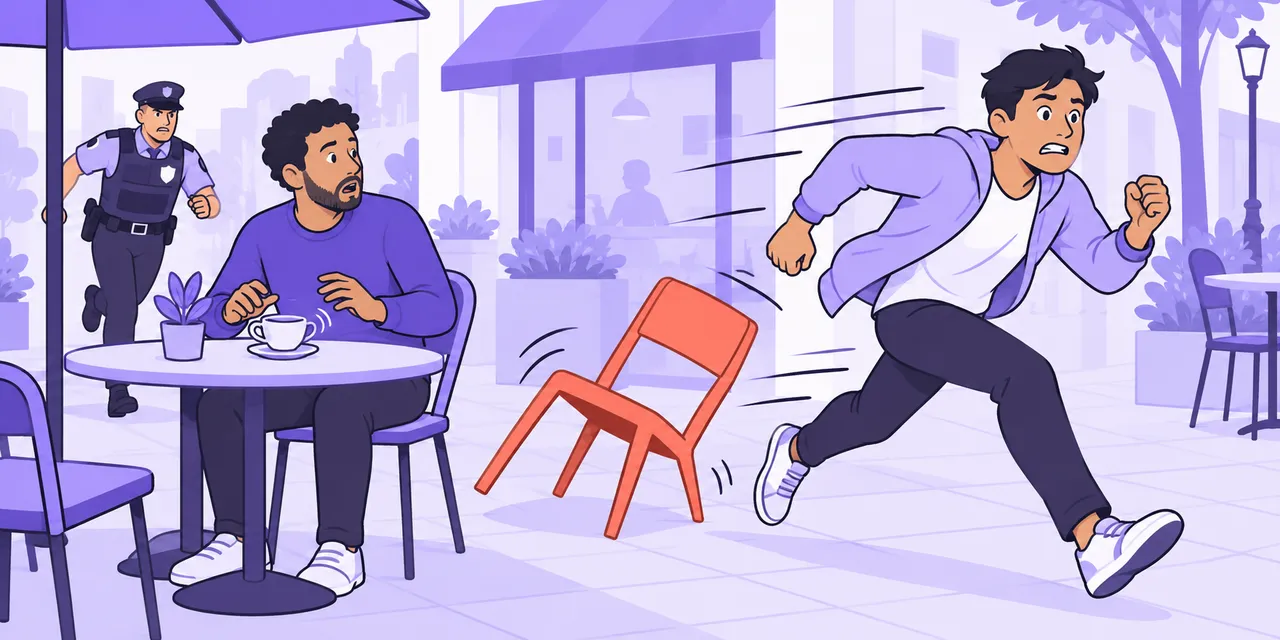
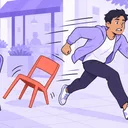
A scene showing “take off” meaning “leave suddenly”.

To leave a place quickly and unexpectedly, often without warning or explanation.

How oftenNow and then
LevelC1
Used inMostly spoken

Examples

As soon as the police arrived, the crowd took off in all directions.

A: Where did Sam go? He was just here.
B: No idea—he just took off without saying a word.

Common mistake

Not: He took off himself early.

Say: He took off early.

It's intransitive here — don't add 'himself'.

More on “leave suddenly”Another example · Tell it apart · Goes with · Tip

Another example

During the protest, several participants took off when they saw the authorities approaching, which made it difficult to identify everyone involved.

Tell it apart

He took off after lunch.

  • left abruptly

Her business took off.

  • suddenly grew/succeeded

Goes with

  • take off + departure
Practice saying this
Test yourself: which one is it?
Spot the meaning

Which one is it?

Read the sentence, then pick the meaning that's in play.

Turn this into speaking practice

Pick a meaning and say it out loud. Save the ones you mix up.