Meaning trap
take off
leave suddenly
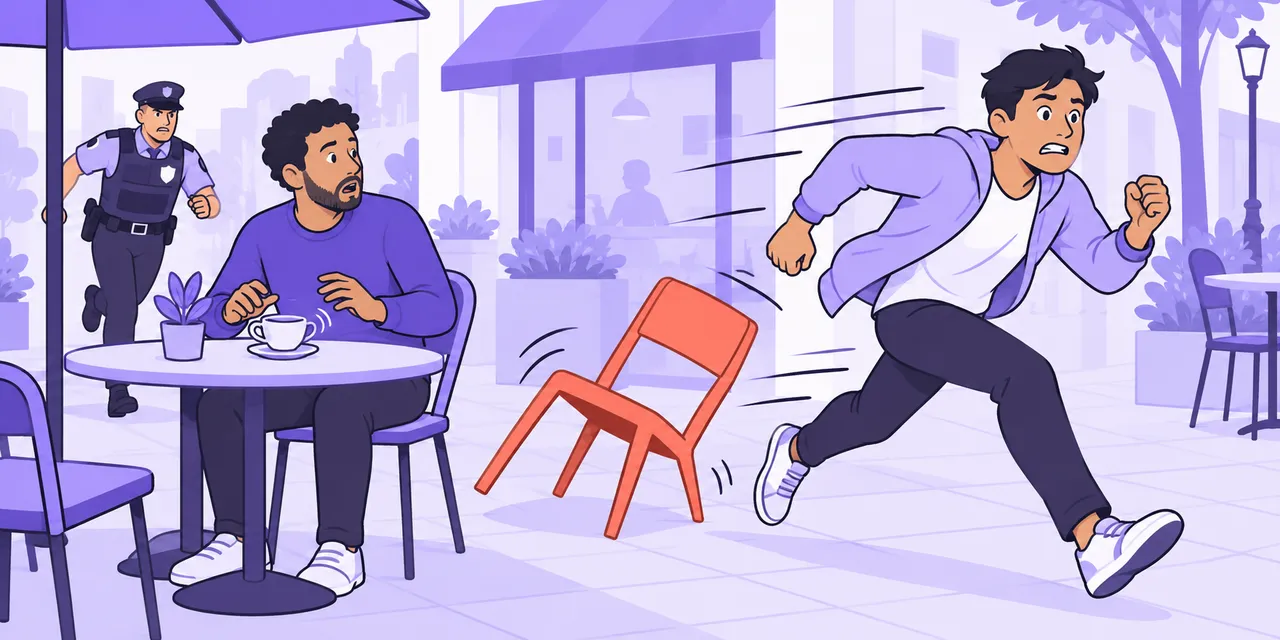
To leave a place quickly and unexpectedly, often without warning or explanation.
Don't mix these meanings
Same phrase, different job.
To leave a place quickly and unexpectedly, often without warning or explanation.
'take off' also has the more basic meaning 'plane leaves the ground'; this is the advanced sense.
Hear it in context
Notice where the phrase sounds natural.
As soon as the police arrived, the crowd took off in all directions.
During the protest, several participants took off when they saw the authorities approaching, which made it difficult to identify everyone involved.
Fix the pattern
One small grammar move makes it sound right.
Not: He took off himself early.
Say: He took off early.
It's intransitive here — don't add 'himself'.
Which sounds natural?
Tap the one a native speaker would say.
'Take off' is the casual spoken verb for leaving suddenly; 'departed abruptly' is formal.
Build natural chunks
Words that usually travel with it.
take off + departure
- early
- without a word
- right after
- suddenly
Don't confuse it
Related
Other meanings and phrases to compare.
- take off (plane leaves the ground) — 'take off' also has the more basic meaning 'plane leaves the ground'; this is the advanced sense.