How to say it · Kind words

Giving advice

A friend or colleague has a problem and you know what might help. Push too hard and you sound bossy; too soft and they miss it.

6 ways to say it
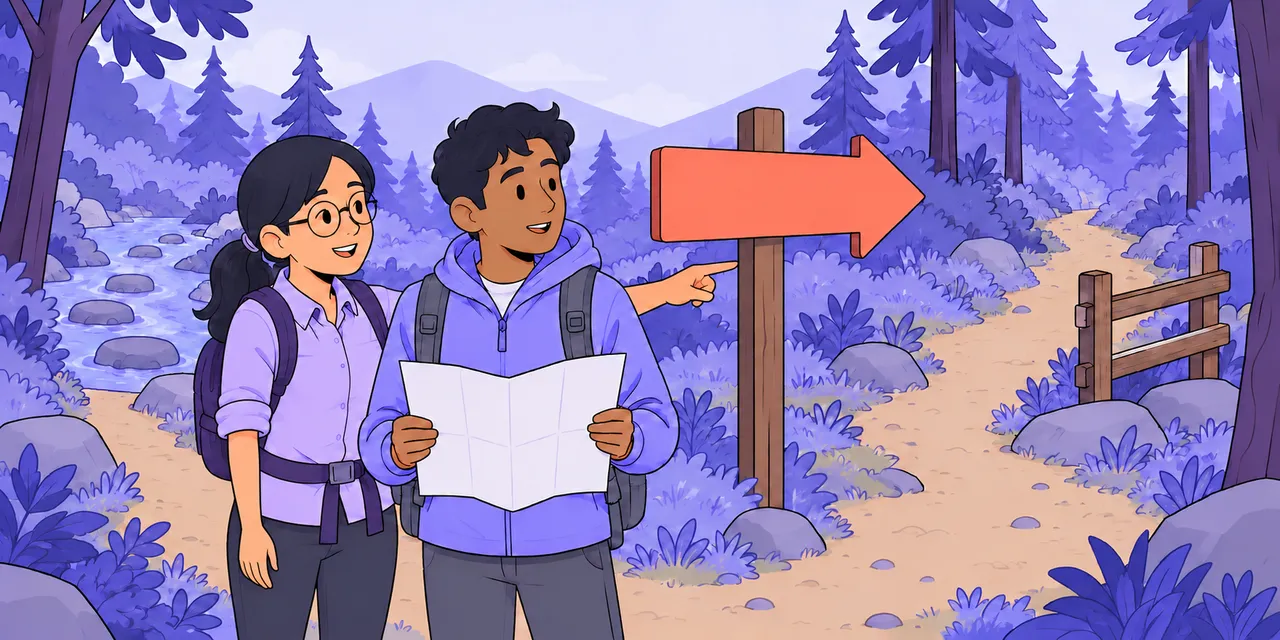
On a woodland trail, Jo points a young hiker with a map towards a big arrow signpost at a fork in the path.
How strongGentleStrong

Way 1 · best default

You might want to

A polite nudge. You leave the choice to them, so it never sounds bossy.

How strongGentle
ToneNeutral
Use itAnywhere

Examples

You might want to check the times before you go. The museum closes early on Mondays.

You might want to save that file first.

In a conversation

A: Right, I'm off to the meeting.
B: You might want to fix your collar first. It's sticking up.

Common mistake

Not: You must call the bank.

Say: You might want to call the bank.

"Must" sounds like a rule or an order. For friendly advice, people soften it.

Next: Have you thought about

Way 2 · gentle hint

Have you thought about

Advice as a question. They can think it over and feel the idea is partly theirs.

How strongVery gentle
ToneNeutral
Use itAnywhere

Examples

Have you thought about asking for a transfer to another team?

Have you thought about taking the train instead? It's quicker.

Next: If I were you, I'd

Way 3 · personal advice

If I were you, I'd

You say what you'd do in their place. Warm and clear, great when they ask you.

How strongMiddle
ToneNeutral
Use itWith friends

Examples

If I were you, I'd call her and talk it through.

If I were you, I'd wait until the sales in January.

In a conversation

A: Should I take the job? The pay's better but it's so far away.
B: If I were you, I'd try the commute once before you decide.

Common mistake

Not: If I am you, I will call her.

Say: If I were you, I'd call her.

It's an imaginary situation, so English uses "were" and "I'd": "If I were you, I'd…".

Next: You should definitely

Way 4 · warm recommendation

You should definitely

Strong, but happy. Perfect for good things: a film, a place, a restaurant.

How strongStrong
ToneCasual
Use itWith friends

Examples

You should definitely try the street food when you're in Hanoi.

You should definitely watch it. The ending is amazing.

Next: I'd strongly recommend

Way 5 · serious, work-safe

I'd strongly recommend

Polite but serious. You're sure this matters, often for safety or money.

How strongStrong
ToneFormal
Use itAt work

Examples

I'd strongly recommend backing up your files before the update.

I'd strongly recommend booking early. Prices go up in the summer.

Next: You'd better

Way 6 · warning

You'd better

A warning: do this, or something bad will happen. Not for polite suggestions.

How strongVery strong
ToneCasual
Use itAnywhere

Examples

You'd better leave now or you'll miss the last bus.

You'd better not tell Mum about the window.

In a conversation

A: It's only eleven. I'll study for the exam later.
B: You'd better start now. It's at nine tomorrow.

Common mistake

Not: You had better try the cake. It's lovely.

Say: You'd better leave now or you'll miss the train.

"Had better" isn't polite advice. It sounds like a warning or even a threat, so save it for real problems.

Test yourself: which would you say?
Pick the right one

Which would you say?

Read the moment, then choose the way that fits it best.

Now say it out loud

Pick one and practise it in a real conversation. Save the ones you want to remember.