Part 1 of 2 · Same verb · different particle

“take” phrasal verbs

Same verb, different particle, different meaning. “take” has 11 of them, so they come in 2 parts. Learn these 6 one at a time, then test yourself.

11 phrasal verbslisten & quiz

take + after · 1 of 6

take after

resemble a family member

  • take after sth sth

To look or behave like an older family member, especially a parent or relative.

How oftenCommon
LevelB1
Used inSpeech & writing

Examples

Everyone says I take after my mother because we both have the same smile.

A: Your brother is so good at drawing!
B: Yeah, he takes after our dad. Dad’s an artist too.

Common mistake

Not: She takes after to her father.

Say: She takes after her father.

No 'to' — 'take after' takes the relative directly.

More on “take after”Another example · Tell it apart · Goes with · Tip

Another example

In my family, I take after my grandfather, especially in the way I speak and my sense of humor.

Tell it apart

He takes after his grandfather.

  • resembles a relative

He looks after his grandfather.

  • cares for him

Goes with

  • take after + relative
Practice saying this
Next: take back

take + back · 2 of 6

take back

return an item

  • take sth back to somewhere

to bring something you bought or borrowed back to the place you got it from, usually because you don't want it or it doesn't work.

How oftenCommon
LevelB1
Used inMostly spoken

Examples

I had to take back the shoes because they were too small.

A: Did you keep the blender you bought?
B: No, I took it back. It was broken when I opened the box.

Common mistake

Not: I want to take back it.

Say: I want to take it back.

With a pronoun, the object goes in the middle: 'take it back'.

More on “take back”Another example · Tell it apart · Goes with · Tip

Another example

If I buy something and it doesn't fit, I usually take it back to the store for a refund or exchange.

Tell it apart

I took the jacket back.

  • returned the item

I take back what I said.

  • retract words — sense

Goes with

  • take back + goods
Practice saying this
Next: take down

take + down · 3 of 6

take down

remove from a high place

  • take sth down

To remove something that is hanging or placed above you, such as a picture, shelf, or decoration.

How oftenCommon
LevelB1
Used inMostly spoken

Examples

Could you take down the clock from the wall for me?

A: The party's over. Should we take down the decorations now?
B: Yeah, let's get started before it gets too late.

Common mistake

Not: Can you take down it?

Say: Can you take it down?

With a pronoun the object goes in the middle — 'take it down', never 'take down it'.

More on “take down”Another example · Tell it apart · Goes with · Tip

Another example

During the renovation, we had to take down all the shelves in the living room to paint the walls properly.

Tell it apart

Take the posters down.

  • remove from the wall

Put the posters up.

  • attach to the wall

Goes with

  • take down + thing on the wall
Practice saying this
Next: take in

take + in · 4 of 6

take in

understand or absorb

  • take in sth

to fully understand or remember new information, or to notice details around you

How oftenCommon
LevelB1
Used inSpeech & writing

Examples

There was so much information in the lecture that I couldn't take it all in.

A: Did you see the new art exhibition?
B: Yes, there was so much to take in—I loved the colors and details.

Common mistake

Not: There was too much information to take in it.

Say: There was too much information to take in.

Don't add an extra 'it' — the object ('information') is already there.

More on “take in”Another example · Tell it apart · Goes with · Tip

Another example

During my first week at university, I had to take in a lot of new information, which was quite challenging at first.

Tell it apart

It was a lot to take in at first.

  • understand / absorb

The jacket needs taking in.

  • made smaller by a tailor

Goes with

  • take in + information
Practice saying this
Next: take off

take + off · 5 of 6

take off

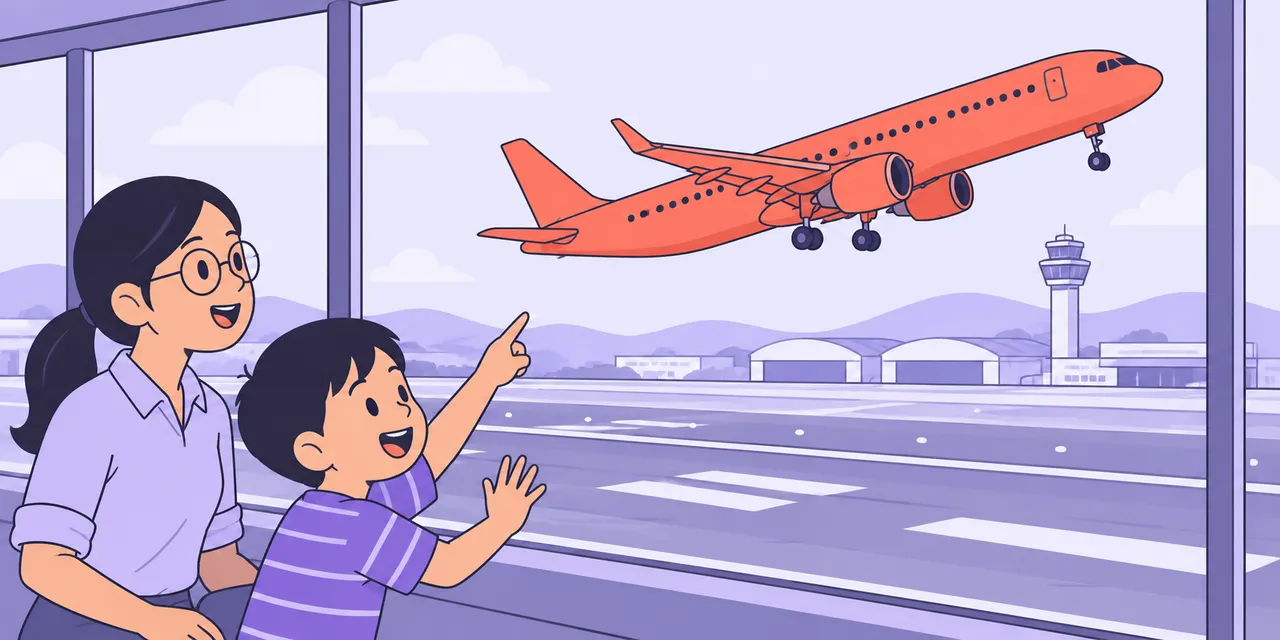
plane leaves the ground

A scene showing “take off” meaning “plane leaves the ground”.

When a plane leaves the ground and starts flying.

How oftenCommon
LevelB1
Used inSpeech & writing

Examples

The plane will take off in a few minutes.

A: What time does your flight take off?
B: At 7:30 in the morning.

Common mistake

Not: The plane took off at Gatwick.

Say: The plane took off from Gatwick.

For the departure point use 'take off FROM a place'; 'at' is only for the time.

More on “take off”Another example · Tell it apart · Goes with · Tip

Another example

During my last holiday, our flight took off late because of bad weather.

Tell it apart

The plane took off on time.

  • left the ground

The brand really took off.

  • became successful

Goes with

  • take off + flight
Practice saying this
Next: take on

take + on · 6 of 6

take on

accept responsibility

  • take on sth sth

to agree to do a job, task, or responsibility

How oftenCommon
LevelB1
Used inSpeech & writing

Examples

She decided to take on more work to help her team finish the project.

A: Are you sure you want to take on another class this semester?
B: Yeah, I think I can handle it.

Common mistake

Not: It's a lot, but I'll take on it.

Say: It's a lot, but I'll take it on.

With a pronoun object, split the verb: 'take it on'.

More on “take on”Another example · Tell it apart · Goes with · Tip

Another example

In my last job, I had to take on several new tasks when my colleague left, which helped me develop new skills.

Tell it apart

She took on the project.

  • accepted the responsibility

She took up painting.

  • started a hobby

Goes with

  • take on + workload
Practice saying this
Test yourself: which “take” fits?
Fill the gap

Which “take” fits?

Read the sentence, then pick the phrasal verb that belongs in the gap.

All of “take”

11 phrasal verbs in 2 parts.

Turn this into speaking practice

Pick one and say it out loud. Save the ones you mix up.