
Part 2 of 3 · Same verb · different particle

“go” phrasal verbs

Same verb, different particle, different meaning. “go” has 16 of them, so they come in 3 parts. Learn these 5 one at a time, then test yourself.

16 phrasal verbslisten & quiz

go + back on · 1 of 5

go back on

not do something you promised or agreed to do

  • go back on sth word/promise/agreement

to break a promise or agreement; to decide not to do something you said you would do.

How oftenCommon
LevelB2
Used inSpeech & writing

Examples

He promised to help me move, but then he went back on his word at the last minute.

A: Did Sarah agree to join our project?
B: She did, but she went back on her promise and said she's too busy now.

Common mistake

Not: Don't go back your promise.

Say: Don't go back on your promise.

Needs 'on' — 'go back ON a promise / your word / the deal'.

More on “go back on”Another example · Tell it apart · Goes with · Tip

Another example

In my opinion, it's important not to go back on your promises, especially when working in a team.

Tell it apart

He went back on his word.

  • broke his promise

He went back to his old job.

  • returned

Goes with

  • go back on + commitment
Practice saying this
Next: go by

go + by · 2 of 5

go by

time passes

  • time/period go by

to describe how time passes, especially when it seems to move quickly or slowly.

How oftenCommon
LevelB1
Used inSpeech & writing

Examples

The weekend seemed to go by so quickly.

A: Can you believe it's already Friday?
B: I know! This week just went by in a flash.

Common mistake

Not: The time goes by so fastly.

Say: Time goes by so fast.

'Fast' is already the adverb (not 'fastly'), and 'time' is usually uncountable here (no 'the').

More on “go by”Another example · Tell it apart · Goes with · Tip

Another example

During the exam, I felt like time was going by much faster than usual.

Tell it apart

The weeks just went by.

  • time passed

I go by my middle name.

  • am known as

Goes with

  • go by
Practice saying this
Next: go for

go + for · 3 of 5

go for

choose or try to get

  • go for sth
  • informal
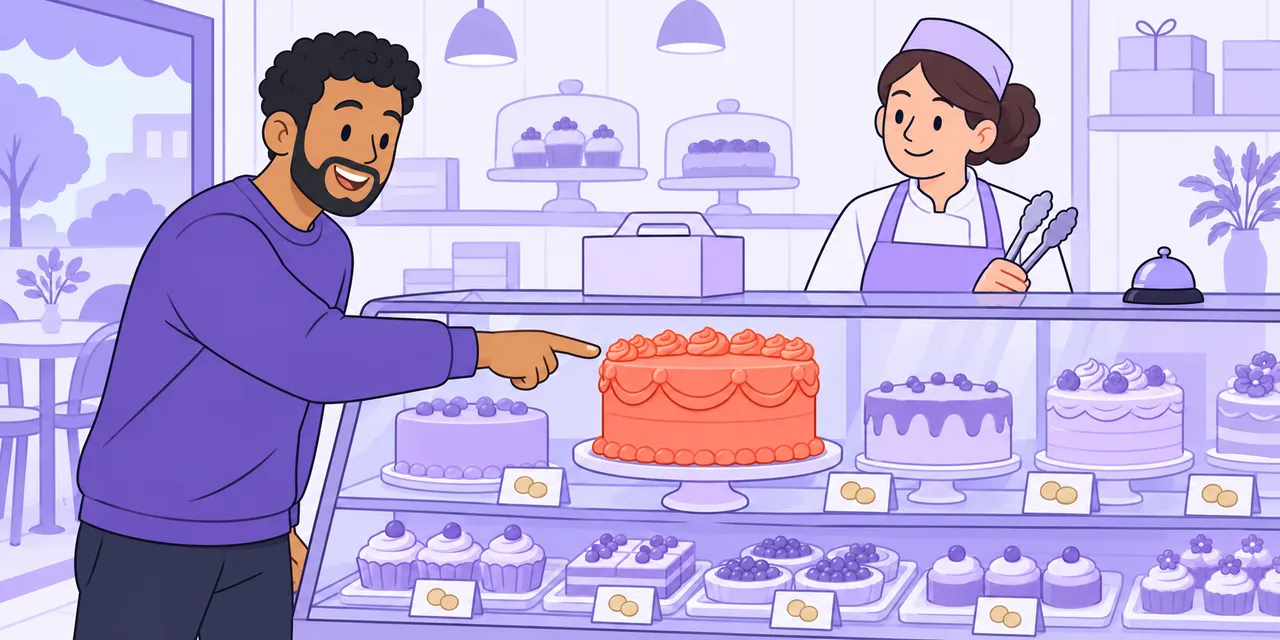
A scene showing “go for” meaning “choose or try for”.

to choose something or try to get or achieve it, often because you want it or think it's the best option.

How oftenVery common
LevelB1
Used inMostly spoken

Examples

If you're not sure which dessert to have, I recommend you go for the chocolate cake.

A: Which job are you going to apply for?
B: I think I'll go for the marketing position.

Common mistake

Not: I'll go for to the pasta.

Say: I'll go for the pasta.

'Go for + thing' directly — no 'to'.

More on “go for”Another example · Tell it apart · Goes with · Tip

Another example

If I had the chance to study abroad, I would definitely go for it because I love experiencing new cultures.

Tell it apart

I'll go for the steak.

  • choose

It went for a high price.

  • was sold at

Goes with

  • go for + choice
Practice saying this
Next: go off

go + off · 4 of 5

go off

alarm rings or bomb explodes

To make a sudden loud noise, like when an alarm starts ringing or a bomb explodes.

How oftenCommon
LevelB1
Used inSpeech & writing

Examples

My alarm went off at 6 a.m., waking me up immediately.

A: What was that noise?
B: Relax, it was just the fire alarm going off.

Common mistake

Not: My alarm rang off this morning.

Say: My alarm went off this morning.

It's 'go off' (not 'ring off'). 'Ring off' means hang up the phone (dated).

More on “go off”Another example · Tell it apart · Goes with · Tip

Another example

During the exam, someone's phone alarm went off, and it distracted everyone in the room.

Tell it apart

The smoke alarm went off.

  • sounded

The milk has gone off.

  • spoiled

Goes with

  • go off
Practice saying this
Next: go on

go + on · 5 of 5

go on

continue

  • go on -ing
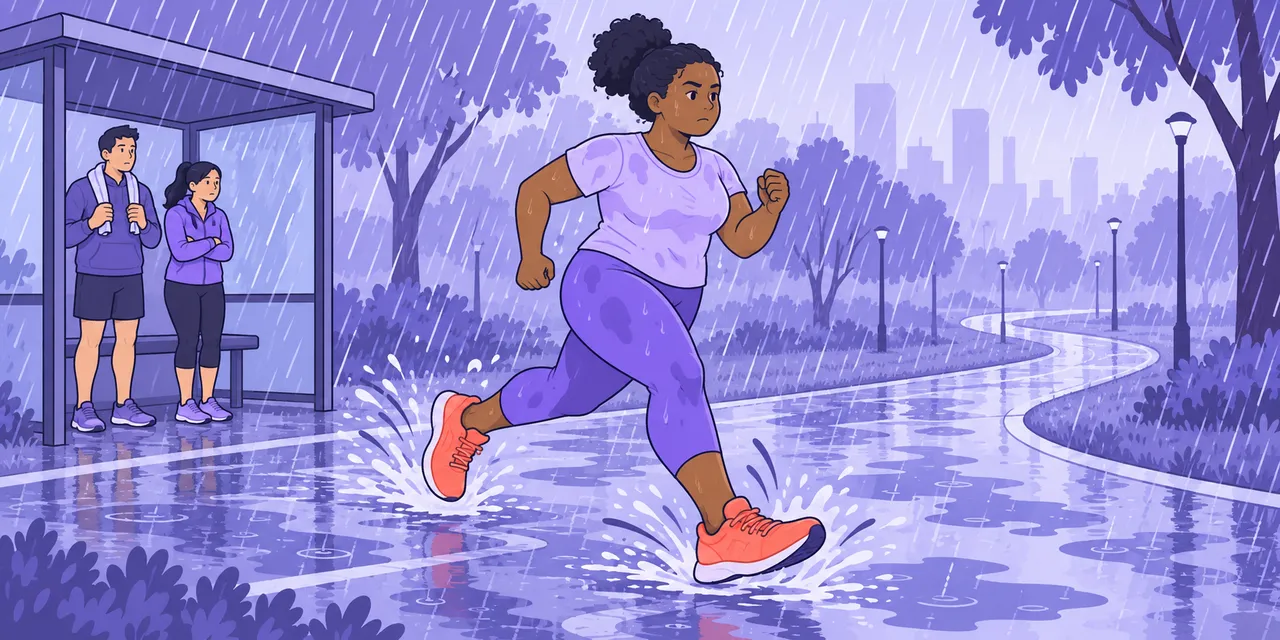
A scene showing “go on” meaning “continue”.

To keep doing something or to keep happening without stopping.

How oftenVery common
LevelB1
Used inSpeech & writing

Examples

She went on talking even though everyone was tired.

A: Are you going to stop working now?
B: No, I'll go on for another hour.

Common mistake

Not: He went on to talking for an hour.

Say: He went on talking for an hour.

'Go on + -ing' = keep doing. 'Go on TO + verb' = do next (different meaning). Don't mix them.

More on “go on”Another example · Tell it apart · Goes with · Tip

Another example

If I get stuck on a difficult question, I usually go on and try to answer the rest first.

Tell it apart

She went on talking.

  • kept talking

She went on to become a doctor.

  • did next

Goes with

  • go on + -ing
Practice saying this
Test yourself: which “go” fits?
Fill the gap

Which “go” fits?

Read the sentence, then pick the phrasal verb that belongs in the gap.

All of “go”

16 phrasal verbs in 3 parts.

Turn this into speaking practice

Pick one and say it out loud. Save the ones you mix up.