


make up — 4 meanings

One phrase, 4 meanings. Learn them one at a time, then test yourself.

phrasal verb4 meanings

Meaning 1 · most common

invent

a story, excuse, etc.

  • make up sth
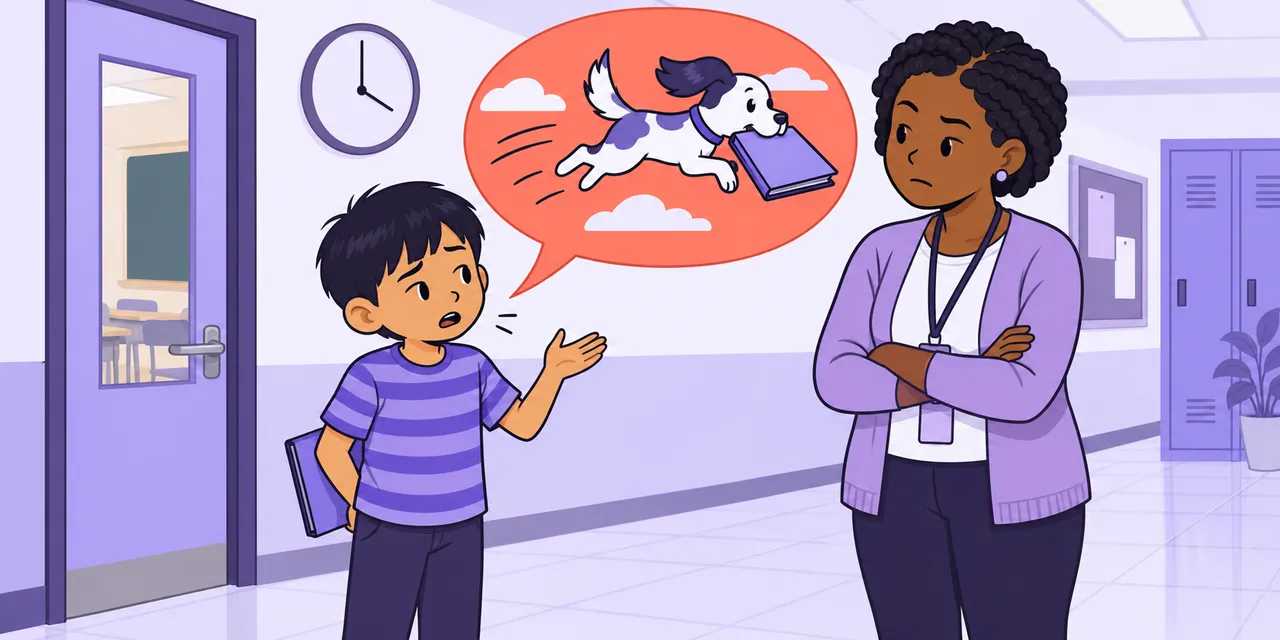
A scene showing “make up” meaning “invent (a story, excuse, etc.)”.

To create something that is not true, such as a story or an excuse.

How oftenCommon
LevelB1
Used inSpeech & writing

Examples

He made up an excuse for being late.

A: Did you really see a celebrity at the café?
B: No, I just made it up.

Common mistake

Not: He made up it.

Say: He made it up.

Separable: 'make up a story' or 'make a story up'; with a pronoun, 'make it up'.

More on “invent”Another example · Tell it apart · Goes with · Tip

Another example

In some situations, people might make up stories to avoid getting into trouble.

Tell it apart

He made up an excuse.

  • invented it — not true

They made up after the row.

  • became friends again

Goes with

  • make up + fiction
Practice saying this
Next meaning: become friends again

Meaning 2

become friends again

  • make up with sb
  • informal
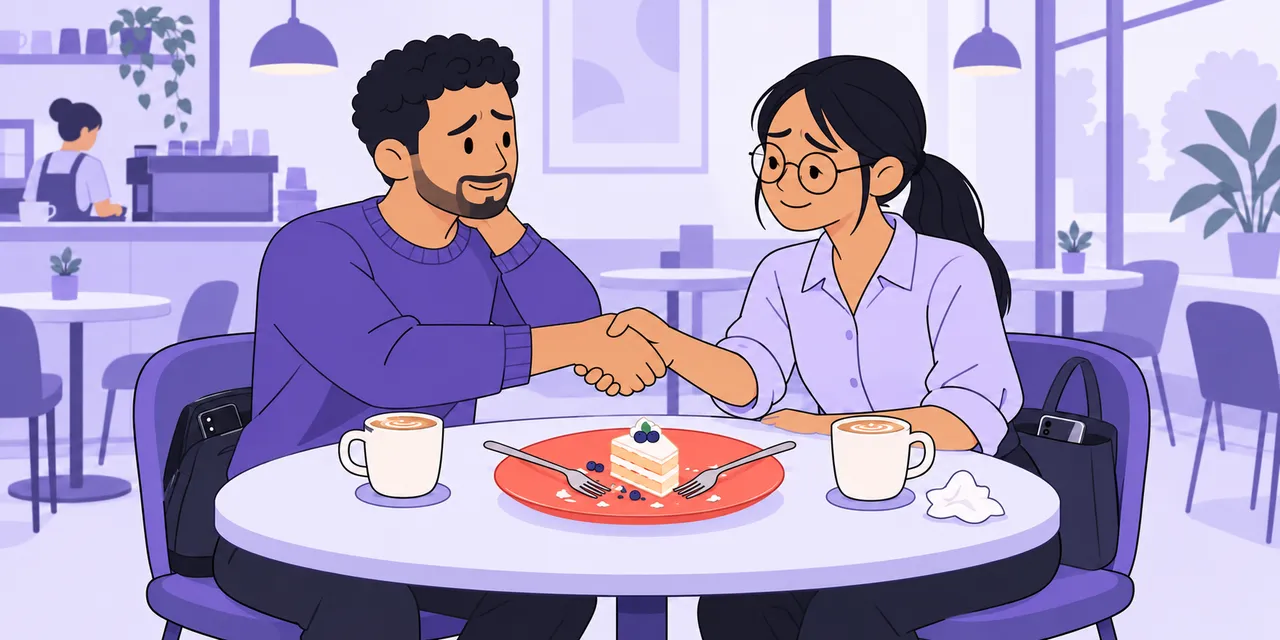
A scene showing “make up” meaning “become friends again”.

To forgive each other and be friendly again after a disagreement.

How oftenCommon
LevelB1
Used inMostly spoken

Examples

After their fight, they made up and went for coffee.

A: Are you still angry with your sister?
B: No, we made up yesterday.

Common mistake

Not: They made up their argument.

Say: They made up after their argument.

You 'make up WITH someone' / 'make up AFTER an argument', not 'make up the argument'.

More on “become friends again”Another example · Tell it apart · Goes with · Tip

Another example

It's important to make up with friends after disagreements to keep good relationships.

Tell it apart

They argued, then made up.

  • became friends again

He made up an excuse.

  • invented it

Goes with

  • make up + reconcile
Practice saying this
Next meaning: compensate for something lost or missed
A scene showing “make up” meaning “compensate for something lost or missed”.

To do something to replace or fix a loss, mistake, or missed opportunity.

How oftenCommon
LevelB2
Used inSpeech & writing

Examples

She worked extra hours to make up for the time she missed.

A: I’m sorry I forgot your birthday.
B: Don’t worry, you can make up for it next year.

Common mistake

Not: I'll make up the lost time later.

Say: I'll make up for the lost time later.

To compensate, it's 'make up FOR' something. ('Make up' without 'for' means invent or reconcile.)

More on “compensate for something lost or missed”Another example · Tell it apart · Goes with · Tip

Another example

Many students try to make up for poor grades by studying harder in the next term.

Tell it apart

I'll make up for it next week.

  • compensate

He made up an excuse.

  • invented one

Goes with

  • make up for
Practice saying this
Next meaning: form or be part of a whole

Meaning 4

form or be part of a whole

  • make up sth
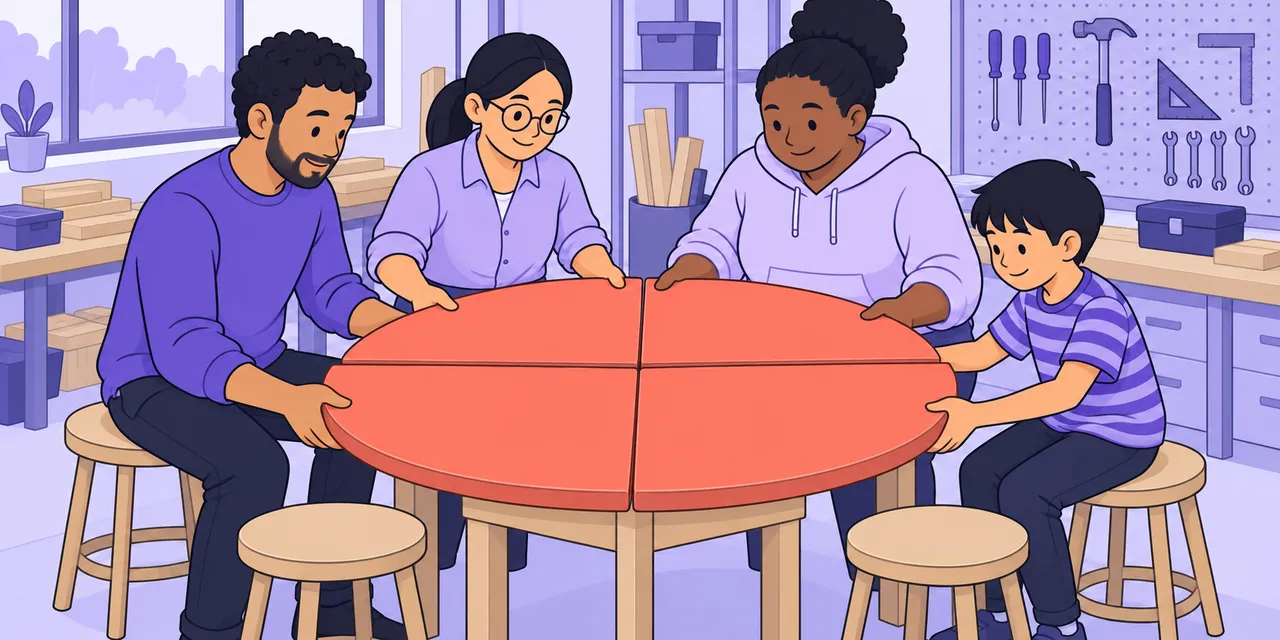
A scene showing “make up” meaning “form or be part of a whole”.

To combine together to create something, or to be a part of something larger.

How oftenCommon
LevelB2
Used inSpeech & writing

Examples

Women make up more than half of the company's staff.

A: What makes up a healthy diet?
B: Lots of vegetables, fruits, and some protein.

Common mistake

Not: Students make up of 60% of the audience.

Say: Students make up 60% of the audience.

'Make up' takes the proportion directly — no 'of' after 'make up'.

More on “form or be part of a whole”Another example · Tell it apart · Goes with · Tip

Another example

International students make up a significant part of the university population.

Tell it apart

Migrants make up a third of the city.

  • form that proportion

He made up a story.

  • invented it

Goes with

  • make up + proportion
Practice saying this
Test yourself: which one is it?
Spot the meaning

Which one is it?

Read the sentence, then pick the meaning that's in play.

Turn this into speaking practice

Pick a meaning and say it out loud. Save the ones you mix up.