
go on — 3 meanings

One phrase, 3 meanings. Learn them one at a time, then test yourself.

phrasal verb3 meanings

Meaning 1 · most common

continue
  • go on -ing
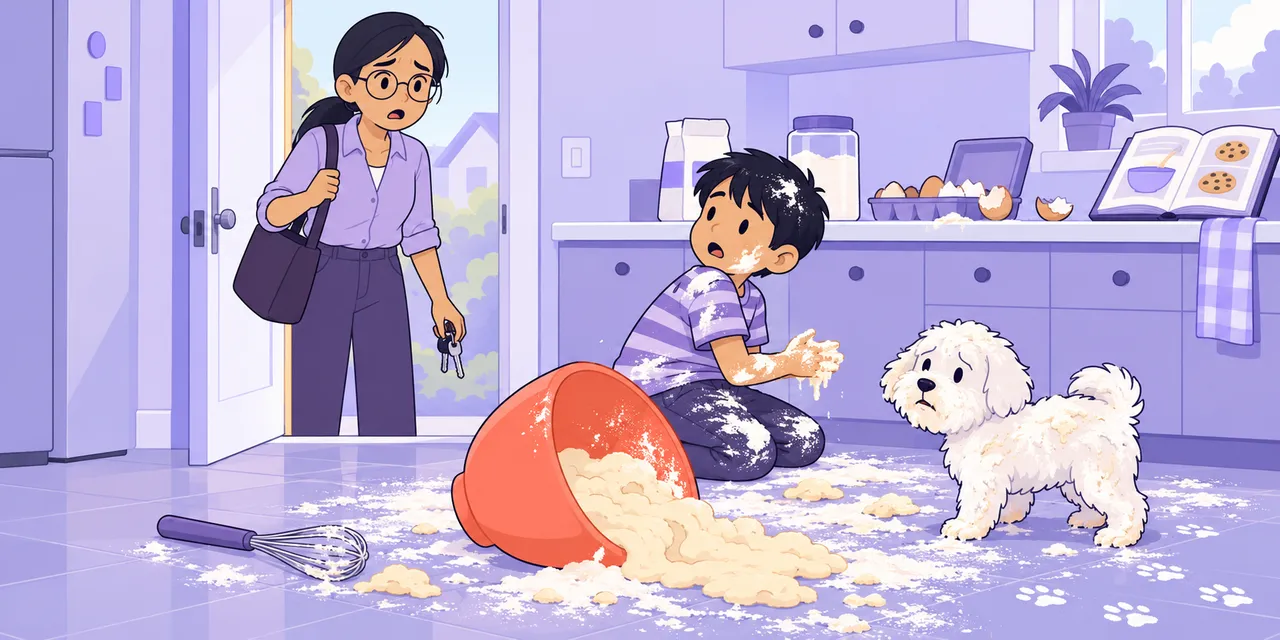
A scene showing “go on” meaning “continue”.

To keep doing something or to keep happening without stopping.

How oftenVery common
LevelB1
Used inSpeech & writing

Examples

She went on talking even though everyone was tired.

A: Are you going to stop working now?
B: No, I'll go on for another hour.

Common mistake

Not: He went on to talking for an hour.

Say: He went on talking for an hour.

'Go on + -ing' = keep doing. 'Go on TO + verb' = do next (different meaning). Don't mix them.

More on “continue”Another example · Tell it apart · Goes with · Tip

Another example

If I get stuck on a difficult question, I usually go on and try to answer the rest first.

Tell it apart

She went on talking.

  • kept talking

She went on to become a doctor.

  • did next

Goes with

  • go on + -ing
Practice saying this
Next meaning: happen

Meaning 2

happen

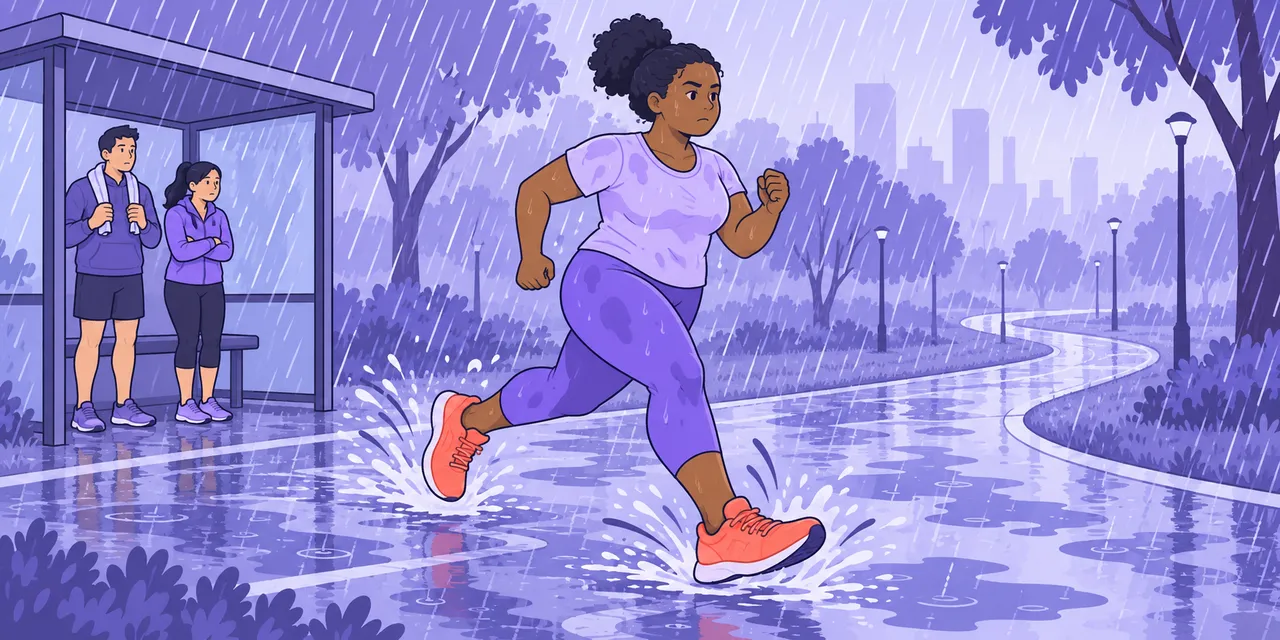
A scene showing “go on” meaning “happen”.

To take place or occur, especially when something is surprising or unknown.

How oftenVery common
LevelB1
Used inMostly spoken

Examples

There was a lot of noise outside, and I wondered what was going on.

A: Why are people shouting in the hallway?
B: I have no idea what's going on.

Common mistake

Not: What's going here?

Say: What's going on here?

In this sense the particle 'on' is required — 'go on' means happen; 'go' alone doesn't.

More on “happen”Another example · Tell it apart · Goes with · Tip

Another example

When I arrived at the meeting, I didn't understand what was going on at first because everyone was talking at once.

Tell it apart

What's going on out there?

  • happening

Go on, finish your story.

  • continue

Goes with

  • go on
Practice saying this
Next meaning: talk at length (often annoyingly)

Meaning 3

talk at length (often annoyingly)

  • go on about sth
  • informal
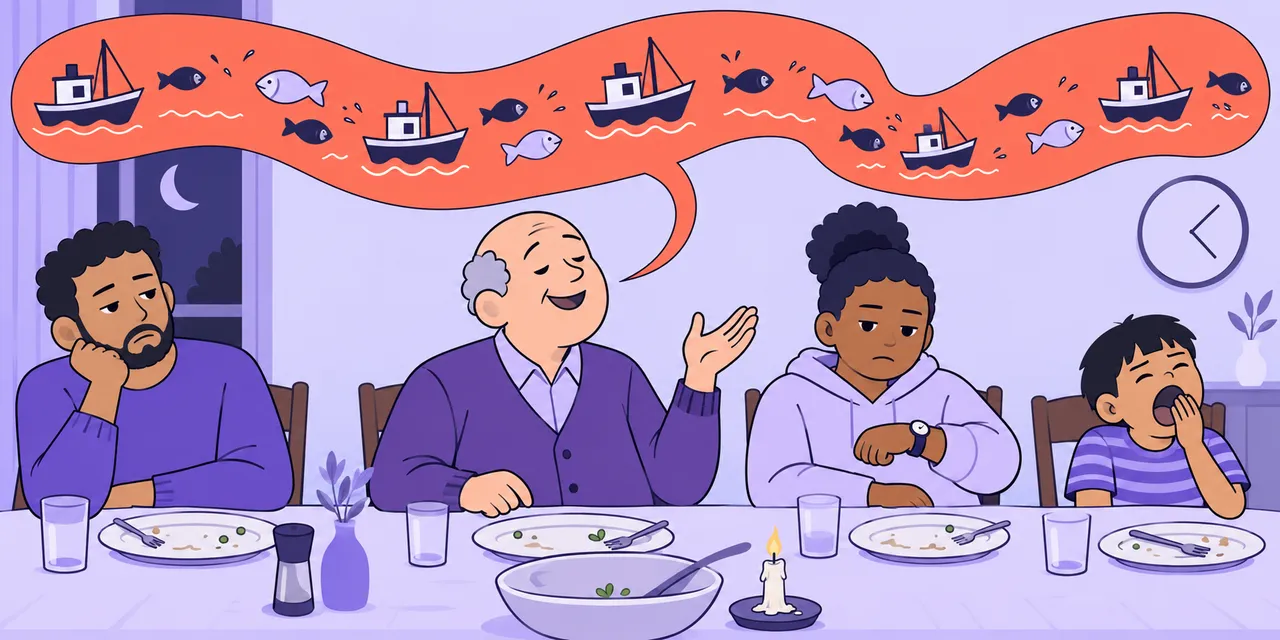
A scene showing “go on” meaning “talk for too long”.

To talk for a long time, especially in a way that is repetitive, boring, or annoying to others.

How oftenNow and then
LevelC1
Used inMostly spoken

Examples

He tends to go on about his achievements, which can be exhausting to listen to.

A: Did you enjoy the meeting?
B: Not really. Sarah just went on about her holiday for half an hour.

Common mistake

Not: Stop going on for it.

Say: Stop going on about it.

'Go on ABOUT something' = talk too much about it, often with 'and on' for emphasis.

More on “talk at length (often annoyingly)”Another example · Tell it apart · Goes with · Tip

Another example

Some people tend to go on about their personal experiences in group discussions, which can make it difficult for others to contribute.

Tell it apart

Don't go on about it.

  • keep harping on — annoying

Go on, tell me.

  • continue / encouragement

Goes with

  • go on about
Practice saying this
Test yourself: which one is it?
Spot the meaning

Which one is it?

Read the sentence, then pick the meaning that's in play.

Turn this into speaking practice

Pick a meaning and say it out loud. Save the ones you mix up.