
get on — 3 meanings

One phrase, 3 meanings. Learn them one at a time, then test yourself.

phrasal verb3 meanings

Meaning 1 · most common

board transport
  • get on sth
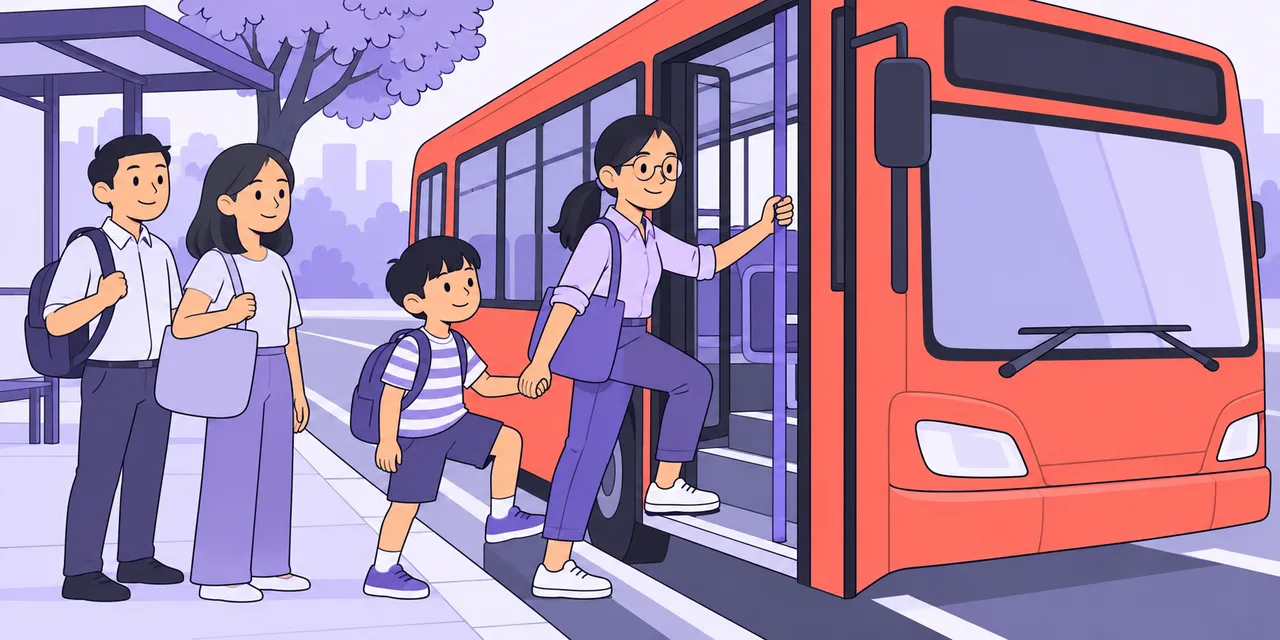
A scene showing “get on” meaning “step onto a bus or train”.

to enter or go onto a form of transport such as a bus, train, plane, or bike.

How oftenVery common
LevelB1
Used inSpeech & writing

Examples

We need to get on the bus before it leaves.

A: Quick, the train's about to go!
B: Let's get on now!

Common mistake

Not: I got in the bus quickly.

Say: I got on the bus quickly.

Use 'get on' for buses, trains and planes; 'get in' is for cars and taxis.

More on “board transport”Another example · Tell it apart · Goes with · Tip

Another example

When I travel to work, I usually get on the subway at 8 a.m. because it's less crowded.

Tell it apart

Get on the train here.

  • board it

We get on really well.

  • have a good relationship

Goes with

  • get on + transport
Practice saying this
Next meaning: make progress

Meaning 2

make progress

  • get on with sth
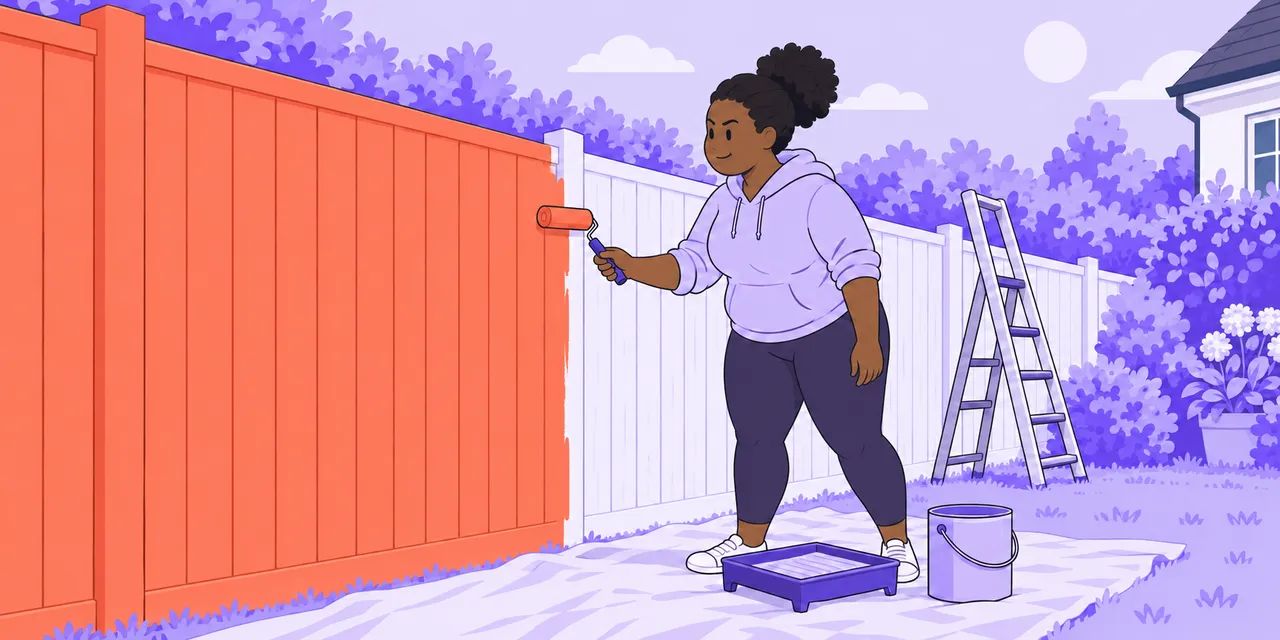
A scene showing “get on” meaning “make progress with a task”.

to make progress or continue doing something, especially work or a task.

How oftenCommon
LevelB2
Used inMostly spoken

Examples

I need to get on with my assignment if I want to finish it tonight.

A: Have you finished cleaning the kitchen?
B: Not yet, but I'm getting on with it.

Common mistake

Not: Get on your work!

Say: Get on with your work!

To mean 'carry on / make progress', you need 'get on WITH' the task.

More on “make progress”Another example · Tell it apart · Goes with · Tip

Another example

In my opinion, it's important to get on with your studies even when you feel tired, because consistency leads to success.

Tell it apart

How are you getting on with the report?

  • progressing

How do you get on with your boss?

  • relationship

Goes with

  • get on (with)
Practice saying this
Next meaning: have a good relationship

Meaning 3

have a good relationship

  • get on with sb
A scene showing “get on” meaning “have a friendly relationship”.

to have a friendly or harmonious relationship with someone; to interact well and without conflict.

How oftenCommon
LevelC1
Used inMostly spoken

Examples

I don't really get on with my neighbours, but we remain polite.

A: How's your new flatmate?
B: We get on surprisingly well, actually. No arguments so far.

Common mistake

Not: Do you get on good with your boss?

Say: Do you get on well with your boss?

Use 'get on WELL' (adverb), not 'good'; and 'get on WITH someone'.

More on “have a good relationship”Another example · Tell it apart · Goes with · Tip

Another example

In the workplace, being able to get on with colleagues is often considered as important as technical skills.

Tell it apart

They get on really well.

  • have a good relationship — BrE

They're getting on with the work.

  • making progress on it

Goes with

  • get on (well) with
Practice saying this
Test yourself: which one is it?
Spot the meaning

Which one is it?

Read the sentence, then pick the meaning that's in play.

Turn this into speaking practice

Pick a meaning and say it out loud. Save the ones you mix up.