Same verb · different particle

“work” phrasal verbs

Same verb, different particle, different meaning. Learn these 4 one at a time, then test yourself.

4 phrasal verbslisten & quiz

work + on · 1 of 4

work on

to spend time improving or trying to achieve something

  • work on sth
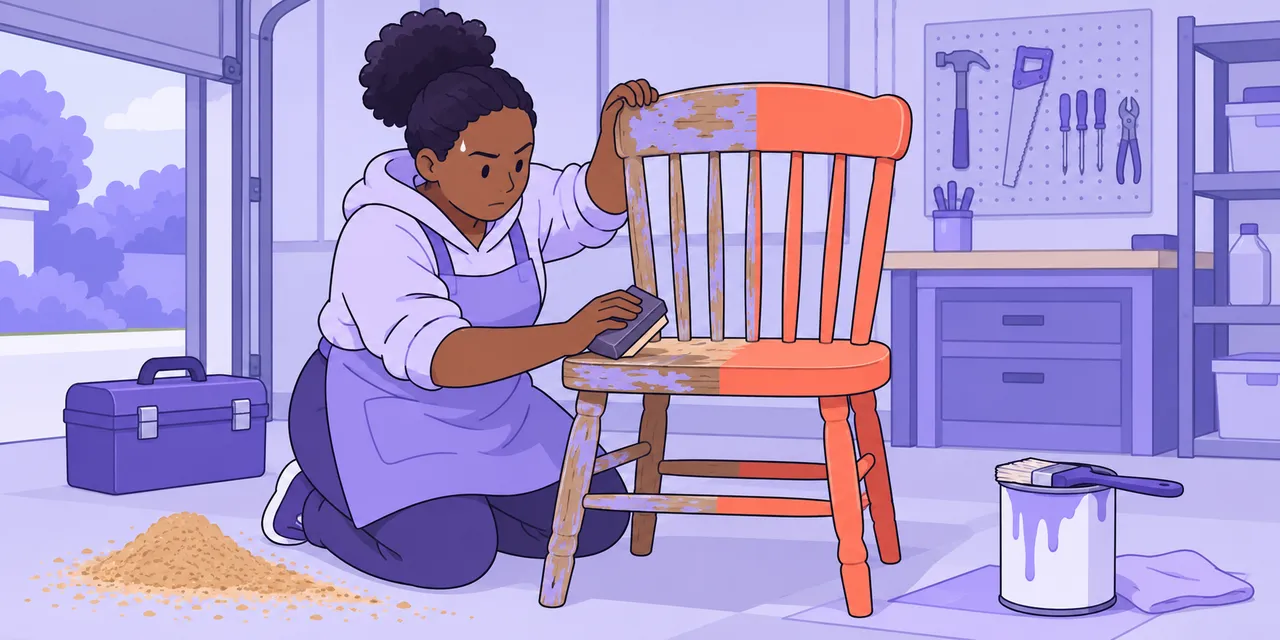
A scene showing “work on” meaning “put effort into improving”.

to put effort into making something better or to try to achieve a goal over time.

How oftenVery common
LevelB1
Used inSpeech & writing

Examples

I'm working on my English pronunciation every day.

A: What are you doing this weekend?
B: I'm going to work on my presentation for class.

Common mistake

Not: I'm working on improve my English.

Say: I'm working on improving my English.

'Work on + noun or -ing', not a bare infinitive.

More on “work on”Another example · Tell it apart · Goes with · Tip

Another example

To be honest, I still make mistakes when I speak, but I'm working on my confidence by practicing with friends.

Tell it apart

I'm working on my serve.

  • trying to improve it

I'm working with a coach.

  • alongside them

Goes with

  • work on + goal
Practice saying this
Next: work out

work + out · 2 of 4

work out

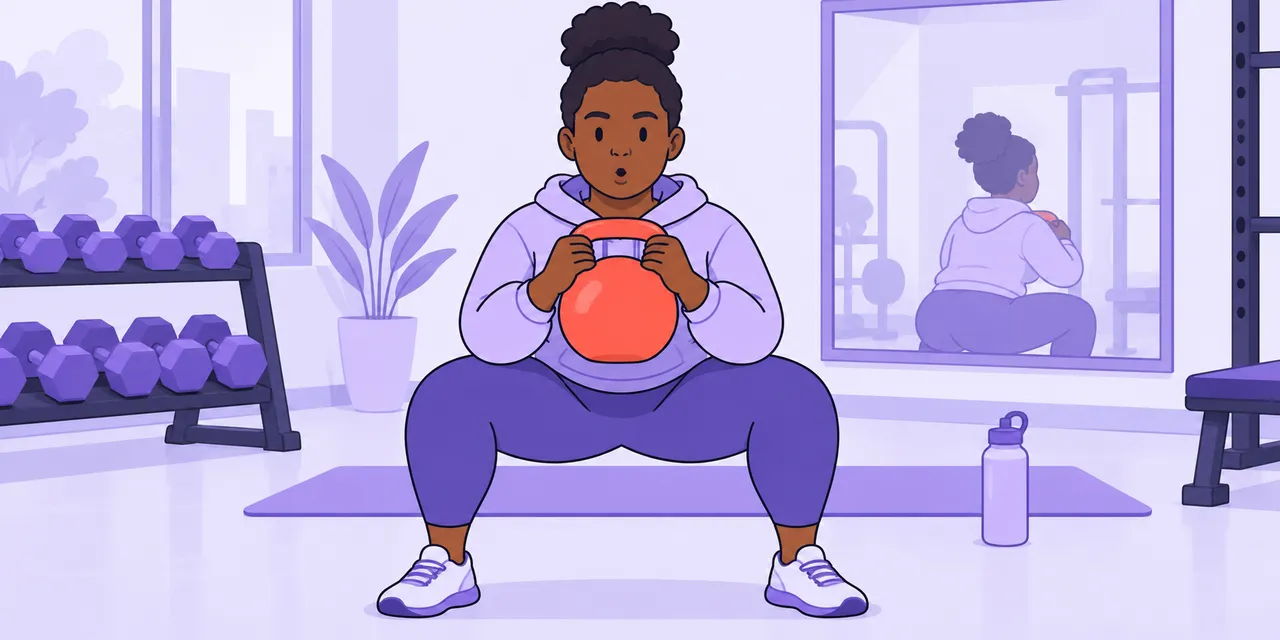
exercise

A scene showing “work out” meaning “exercise”.

to do physical activity or exercise, especially to get fit or stay healthy.

How oftenCommon
LevelB1
Used inSpeech & writing

Examples

I try to work out at the gym three times a week.

A: You look great! Have you been working out?
B: Yeah, I started going for runs in the mornings.

Common mistake

Not: I make workout three times a week.

Say: I work out three times a week. / I do a workout three times a week.

'Work out' is the verb; 'a workout' is the noun. Don't say 'make workout'.

More on “work out”Another example · Tell it apart · Goes with · Tip

Another example

Personally, I believe working out regularly is important for both physical and mental health.

Tell it apart

I work out before breakfast.

  • exercise

I worked out the cost in my head.

  • calculated it

Goes with

  • work out + exercise
Practice saying this
Next: work out at

work + out at · 3 of 4

work out at

to calculate the total of something

  • work out at amount/number

to find the total amount or cost of something after doing the necessary calculations.

How oftenNow and then
LevelB2
Used inSpeech & writing

Examples

The bill for dinner worked out at just over £30 per person.

A: How much did the tickets cost in the end?
B: They worked out at about $50 each, including the booking fee.

Common mistake

Not: It works out fifty pounds each.

Say: It works out at fifty pounds each.

Don't drop 'at' — 'work out AT' a figure (BrE).

More on “work out at”Another example · Tell it apart · Goes with · Tip

Another example

When I calculated all my monthly expenses, they worked out at nearly half of my salary, which was surprising.

Tell it apart

It works out at £50 each.

  • the total comes to that

We need to work out the bill.

  • calculate/figure it out

Goes with

  • works out at
Practice saying this
Next: work towards

work + towards · 4 of 4

work towards

try to achieve a particular aim

  • work towards sth

to make efforts over time to reach a specific goal or result.

How oftenCommon
LevelB1
Used inSpeech & writing

Examples

She’s working towards her dream of becoming a doctor.

A: What are you doing these days?
B: I’m working towards getting my driver’s license.

Common mistake

Not: We're working to a solution.

Say: We're working towards a solution.

'Work towards' a goal = aim for it gradually; 'work to' a deadline = within a limit.

More on “work towards”Another example · Tell it apart · Goes with · Tip

Another example

I believe it’s important to set clear goals and work towards them, especially if you want to succeed in your career.

Tell it apart

We're working towards a deal.

  • gradually aiming for one

We're working on a deal.

  • actively handling the one we have

Goes with

  • work towards
Practice saying this
Test yourself: which “work” fits?
Fill the gap

Which “work” fits?

Read the sentence, then pick the phrasal verb that belongs in the gap.

Turn this into speaking practice

Pick one and say it out loud. Save the ones you mix up.