Same verb · different particle

“turn” phrasal verbs

Same verb, different particle, different meaning. Learn these 7 one at a time, then test yourself.

7 phrasal verbslisten & quiz

turn + back · 1 of 7

turn back

to return in the direction you came from

  • turn back from/to/at

to go back the way you came, usually because you cannot continue or have changed your mind.

How oftenCommon
LevelB1
Used inSpeech & writing

Examples

It started raining so heavily that we had to turn back before reaching the park.

A: Did you make it to the top of the hill?
B: No, we had to turn back because the path was too slippery.

Common mistake

Not: We turned back to home.

Say: We turned back.

'Turn back' is used alone for reversing course — don't add 'to home' ('head back home' is fine).

More on “turn back”Another example · Tell it apart · Goes with · Tip

Another example

During my trip to the mountains, we decided to turn back halfway because the weather got worse and it wasn't safe to continue.

Tell it apart

We turned back at the bridge.

  • reversed and returned

We turned off at the bridge.

  • left the main road

Goes with

  • turn back + reason
Practice saying this
Next: turn down

turn + down · 2 of 7

turn down

reject

  • turn down sth

to refuse an offer, invitation, or request.

How oftenCommon
LevelB1
Used inSpeech & writing

Examples

He turned down the invitation to the party because he was too tired.

A: Did you get the job you applied for?
B: They offered it to me, but I turned it down.

Common mistake

Not: They turned down me for the role.

Say: They turned me down for the role.

With a pronoun, the object goes in the middle: 'turn me down'.

More on “turn down”Another example · Tell it apart · Goes with · Tip

Another example

If I were offered a job abroad, I would probably turn it down because I want to stay close to my family.

Tell it apart

She turned down the promotion.

  • rejected it

Could you turn down the music?

  • lower the volume

Goes with

  • turn down + offer
Practice saying this
Next: turn into

turn + into · 3 of 7

turn into

to change or develop into something different

  • turn sb/sth into sb/sth

to become something different, or to make someone or something become different.

How oftenVery common
LevelB1
Used inSpeech & writing

Examples

After a few years, the small café turned into a busy restaurant.

A: Did you see the old library?
B: Yeah, it turned into a gym last month.

Common mistake

Not: Caterpillars turn into to butterflies.

Say: Caterpillars turn into butterflies.

'Turn INTO' something — don't add 'to'.

More on “turn into”Another example · Tell it apart · Goes with · Tip

Another example

If I could change one thing about my hometown, I would turn the empty lot into a community park.

Tell it apart

The rain turned into snow.

  • changed into it

He turned to me for help.

  • went to me — different verb

Goes with

  • turn into + result
Practice saying this
Next: turn out

turn + out · 4 of 7

turn out

prove to be

  • turn out to be adjective/noun/clause

to happen in a particular way, or to have a particular result, especially one that is unexpected.

How oftenCommon
LevelB1
Used inSpeech & writing

Examples

The weather turned out to be better than we expected.

A: How was the movie?
B: It turned out to be really funny!

Common mistake

Not: The film turned out boring.

Say: The film turned out to be boring. / The film turned out boring (informal).

Most naturally 'turn out TO BE + adjective', or 'turn out + that-clause'.

More on “turn out”Another example · Tell it apart · Goes with · Tip

Another example

At first, I thought the exam would be very difficult, but it turned out to be quite easy.

Tell it apart

It turned out to be a great day.

  • proved to be

A huge crowd turned out for the match.

  • showed up / attended

Goes with

  • turn out + result
Practice saying this
Next: turn over

turn + over · 5 of 7

turn over

to turn something so the other side is facing up

  • turn sth over

To move something so that the bottom or back is now on top or facing you.

How oftenCommon
LevelB1
Used inSpeech & writing

Examples

Please turn over the pancake so it cooks on both sides.

A: Did you read the answer?
B: Not yet, I need to turn over the page.

Common mistake

Not: Turn over it to see the back.

Say: Turn it over to see the back.

With a pronoun, the object goes in the middle: 'turn it over'.

More on “turn over”Another example · Tell it apart · Goes with · Tip

Another example

In the exam, I had to turn over the paper to see the questions on the back.

Tell it apart

Turn the mattress over.

  • flip it

Turn the case over to the police.

  • hand them control — sense

Goes with

  • turn over + object
Practice saying this
Next: turn to

turn + to · 6 of 7

turn to

to go to someone for help or advice

  • turn to person

to ask someone for help, advice, or support when you need it

How oftenCommon
LevelB1
Used inSpeech & writing

Examples

Whenever I have a problem, I turn to my older sister for advice.

A: I didn't know what to do about my job interview, so I turned to my dad for some tips.
B: That's smart. He always gives good advice.

Common mistake

Not: Who can I turn for help?

Say: Who can I turn to for help?

'Turn TO' someone — don't drop 'to'.

More on “turn to”Another example · Tell it apart · Goes with · Tip

Another example

If I face a difficult situation, I usually turn to my best friend because she always listens and helps me find a solution.

Tell it apart

I turned to my sister for advice.

  • went to her for help

He turned to drink.

  • started relying on it — negative sense

Goes with

  • turn to + person
Practice saying this
Next: turn up

turn + up · 7 of 7

turn up

arrive unexpectedly

  • turn up sth sth
  • informal
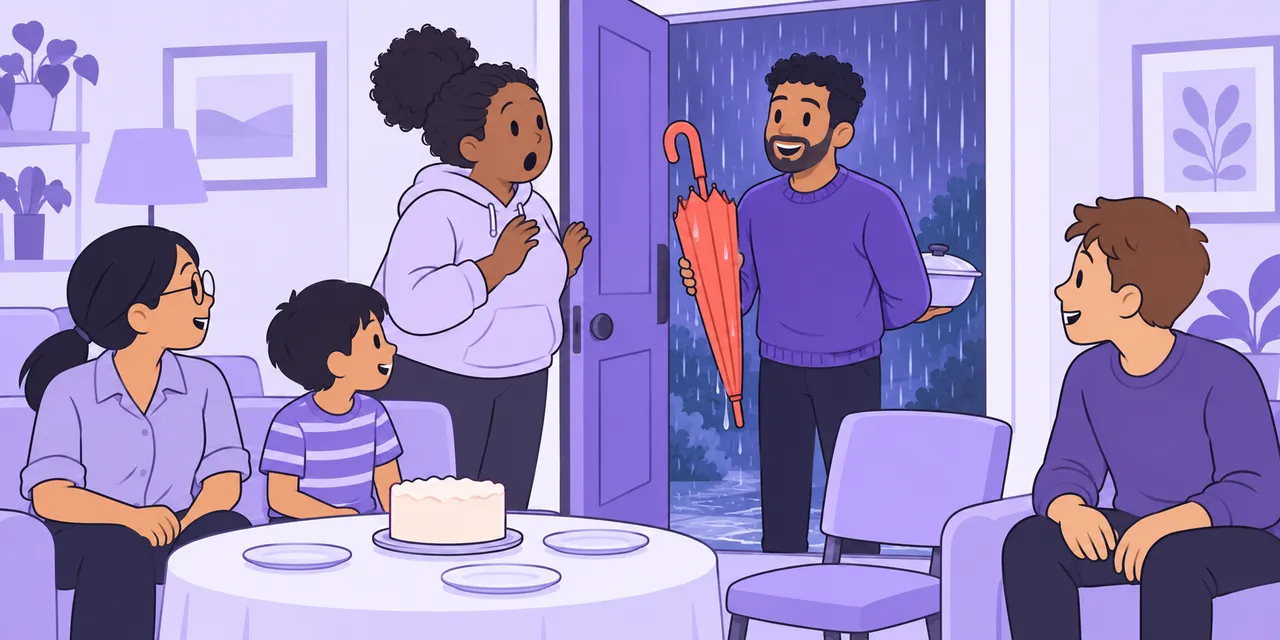
A scene showing “turn up” meaning “arrive unexpectedly”.

To arrive somewhere, especially when you are not expected or when it was not certain you would come.

How oftenCommon
LevelB1
Used inMostly spoken

Examples

He didn’t turn up to the meeting until it was almost over.

A: Did anyone see Sarah at the party?
B: Yeah, she turned up really late, just as we were leaving.

Common mistake

Not: He turned up in the party very late.

Say: He turned up at the party very late.

'Turn up AT + place/event', not 'in'.

More on “turn up”Another example · Tell it apart · Goes with · Tip

Another example

Sometimes, my friends turn up at my house without telling me first, which can be a nice surprise.

Tell it apart

He turned up at midnight.

  • arrived unexpectedly

My keys turned up.

  • were found — sense

Goes with

  • turn up + arrival
Practice saying this
Test yourself: which “turn” fits?
Fill the gap

Which “turn” fits?

Read the sentence, then pick the phrasal verb that belongs in the gap.

Turn this into speaking practice

Pick one and say it out loud. Save the ones you mix up.