disinterested
adjectivefair, because you have nothing to gain either way
Disinterested: no stake. A fair judge.
Many people use disinterested to mean bored too, but careful writers use it only for fair and neutral.
Quick answer
In careful English, disinterested means fair, with nothing to gain. Uninterested means bored or not interested.
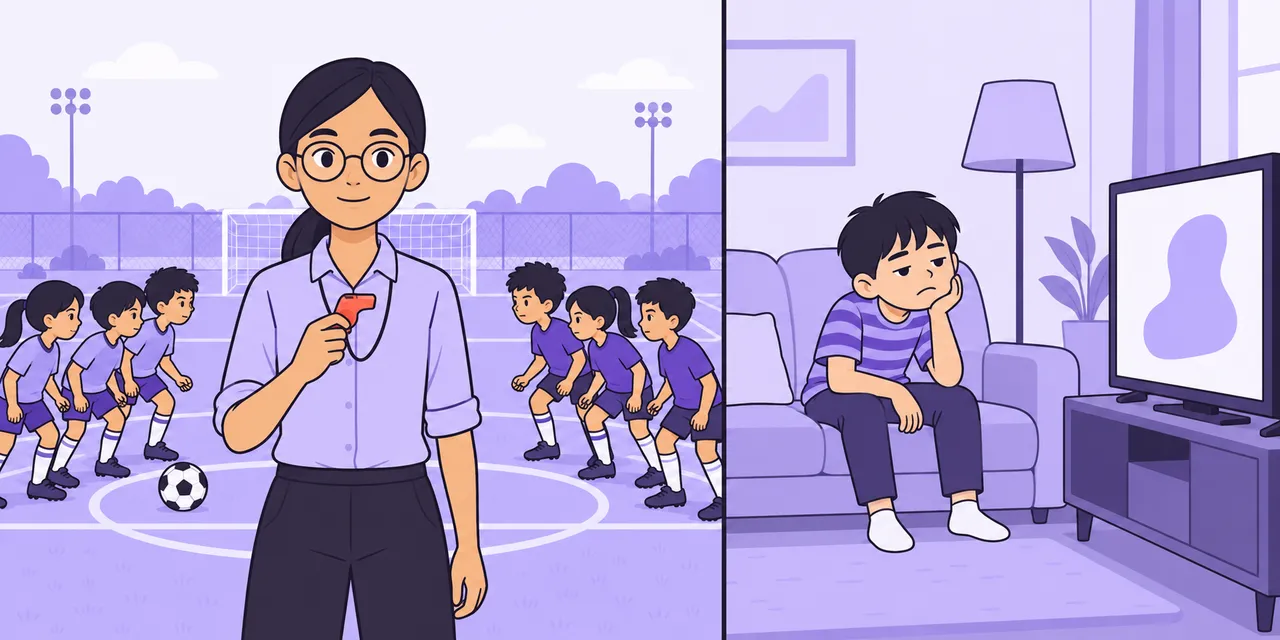
fair, because you have nothing to gain either way
Disinterested: no stake. A fair judge.
not interested; bored
Uninterested: not interested at all.
| Word | Type | Means | Example | Common mistake |
|---|---|---|---|---|
| disinterested | adjective | fair, because you have nothing to gain either way | We need a disinterested expert to judge the contest. | |
| uninterested | adjective | not interested; bored | He seemed uninterested in the film. |
adjective
Examples
We need a disinterested expert to judge the contest.
A judge must be disinterested.
Common mistake
Not: We need an uninterested referee, someone with no link to either team.
Say: We need a disinterested referee, someone with no link to either team.
Fair because you have no stake is disinterested.
adjective
Examples
He seemed uninterested in the film.
She was uninterested in sports.
Common mistake
Not: She looked disinterested during the whole lecture.
Say: She looked uninterested during the whole lecture.
Bored or not interested is uninterested. Many people also say disinterested, but careful writers keep it for fair and neutral.
Read the sentence, then choose the word that fits.
Write or say two sentences, one with each word, in a real conversation.